
IMI PBM Self-Cleaning Ball Valves
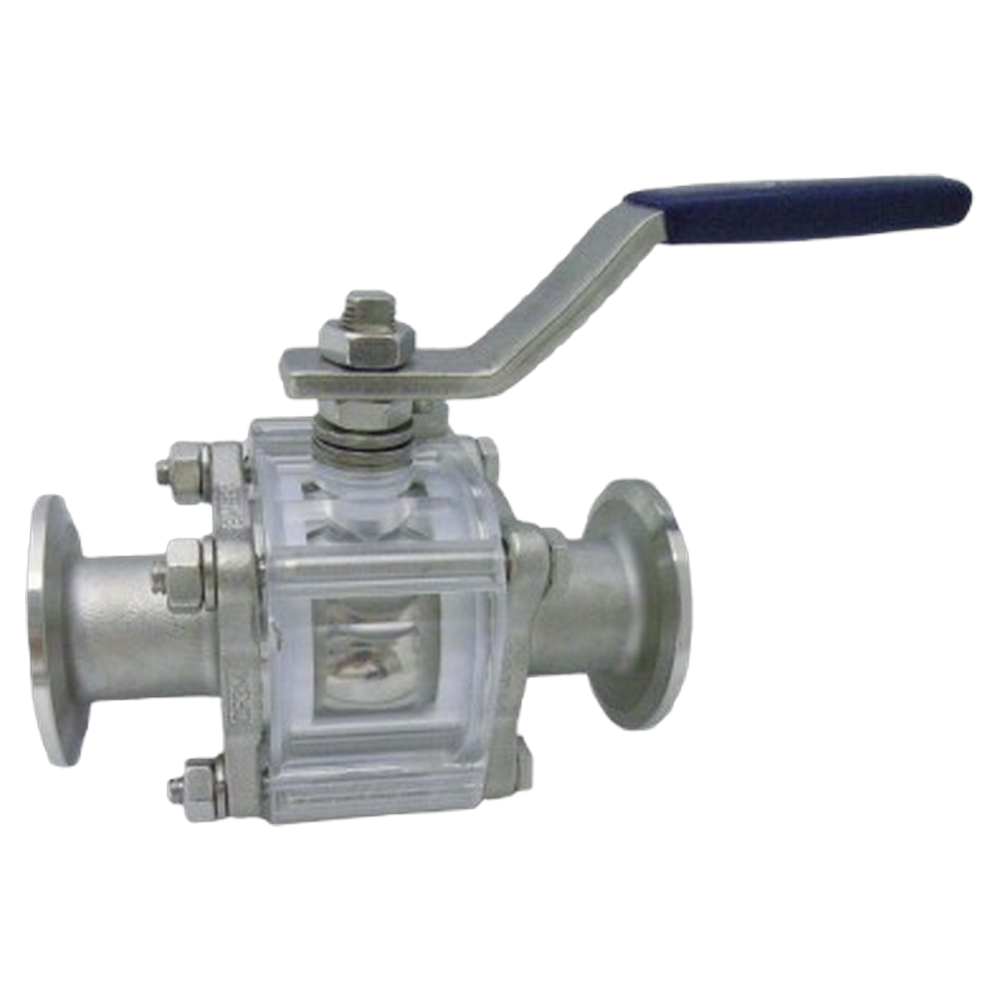
Sanitary self-cleaning ball valve, IMI PBM Igenix® Self-Cleaning range
IMI PBM Valve Solutions – Ball valves with integrated cleaning for loaded, viscous or clogging fluids
The IMI PBM Self-Cleaning Ball Valve range is designed for processes where the fluid clogs the body cavity of a standard ball valve: products loaded with solid particles, viscous media, sugary or protein-rich products with a strong tendency to crystallise, cell cultures, slurries, opaque cosmetic products.
With these fluids, the body cavity behind the ball of a conventional 2-way valve retains a residual volume that becomes inaccessible to CIP and forms a cumulative deposit with each cycle.
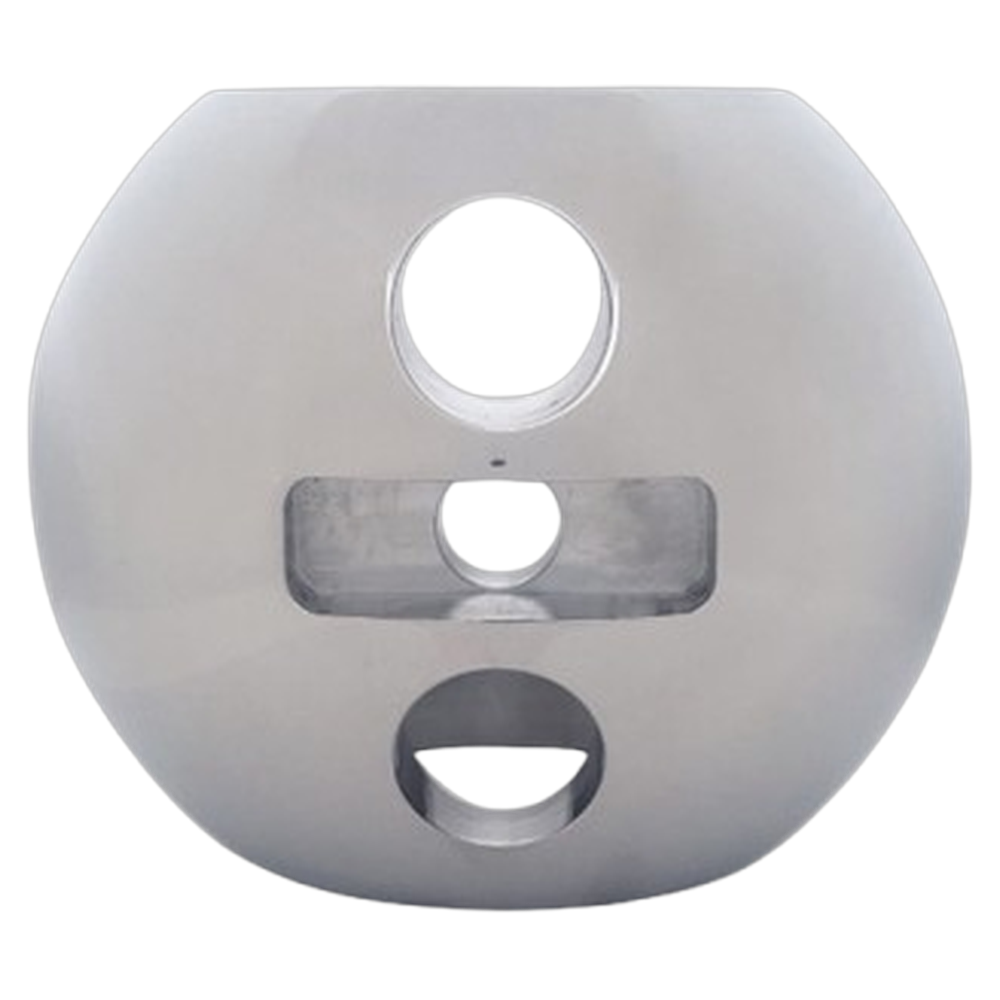
The Self-Cleaning design incorporates through-holes and milled flats into the ball, placing the body cavity in direct communication with the main flow in the fully open position.
CIP thus sweeps the entire internal volume of the valve without dismantling or a specific cycle.
Used in pharmaceuticals, biotechnology, food processing (syrups, dairy products, juices), cosmetics and fine chemicals on processes with a high clogging risk or demanding CIP qualification.
Principle and benefits in CIP
On a standard 2-way ball valve, the body cavity between the ball and the body forms a dead volume of about 5 to 15 % of the valve’s internal volume depending on size.
In the open position, this volume is isolated from the main flow by the geometry of the ball itself: the cleaning fluid passes in front of the ball but does not sweep the rear cavity.
The Self-Cleaning valve solves this problem by design: through-holes in the ball or milled flats on its sides place the cavity in communication with the flow during each CIP cycle.
Cleaning takes place in the open position, with no specific operation and no “cavity purge” procedure to include in the CIP cycle.
Two main series
| Series | Body type | Standard ID Ra | Target applications |
| Forged Series 8 | Forged low-ferrite 316L body | ≤ 0.51 µm (20 µin) | Pharma, biotech, high-purity loaded fluids |
| Cast Series 9 | Cast low-ferrite 316L body | ≤ 0.76 µm (30 µin) | Food processing, cosmetics, fine chemicals |
Mechanical finishes and electropolishing available for both series.
Surface treatments without animal-derived ingredients (ADI-free), compliant with current pharma requirements.
Body and wetted-part materials
Low-ferrite 316L stainless steel as standard, forged (Series 8) or cast (Series 9).
Alternatives available in AL-6XN® (UNS N08367) for chloride-bearing fluids and in Hastelloy® C-22 (UNS N06022) for extremely corrosive media.
Composition and traceability compliant with ASME BPE. 3.1 material certificate supplied for all wetted parts.
Ball configuration
Ball machined with through-holes (drain holes) and/or side milled flats, calibrated according to the fluid type and the customer’s CIP protocol.
Three main configurations:
Transverse holes through the ball, suited to very free-flowing fluids with fine particles.
Flats on the sides of the ball, suited to viscous fluids where the geometry must follow the fluid’s movement.
Combination of holes + flats for demanding cases (cell culture, fermented products, high-viscosity loaded products).
Full port retained in the open position, with no flow restriction or significant turbulence.
Seats, seals and sealing
Standard V-TEF™ (modified PTFE) seats. FKM and EPDM alternatives available depending on chemical compatibility and temperature.
USP Class VI elastomers, FDA-compliant materials.
Bidirectional bubble-tight sealing upstream and downstream in the closed position, despite the holes in the ball: the seats are positioned outside the through-hole zone and ensure complete process isolation.
Full vacuum rated as standard.
Adjust-O-Seal® technology
Progressive tightening of the seats against the ball by adjusting the body bolts, in-line, without dismantling or process interruption.
Compensates for normal seat wear over cycles, which is particularly critical on valves handling abrasive fluids (mineral fillers, crystals).
Hygienic and fire-rated design
Continuous fluid path that is swept in the open position, with no retention zone accessible only by dismantling.
CIP/SIP compatible under repeated cycling without a specific procedure.
Sanitary fire-rated configuration available for flammable fluids in classified environments, with isolation of the process medium maintained even in the event of an external fire.
Surface treatments performed without animal-derived ingredients (ADI-free).
Surface finish
| Finish | Internal Ra | Target applications |
| Standard mechanical | ≤ 0.76 µm (30 µin) | Food processing, cosmetics |
| Fine mechanical | ≤ 0.51 µm (20 µin) | Pharma, biotech, fermentation |
| Electropolished | ≤ 0.38 µm (15 µin) | High-purity pharma, cell culture |
Dimensions and connections
Sizes available from 1/2″ to 6″ (DN 15 to DN 150).
Hygienic clamp (Tri-Clamp) connections, extended tube ends for orbital welding, sanitary thread, compression fittings or flanges to specification.
Compatible with ASME BPE, DIN 11864 and SMS dimensional standards.
Operating range
Operating pressure up to 62.1 bar (900 psig) depending on series and seat material.
Temperature up to 232 °C with V-TEF™ seats, reduced ranges with FKM or EPDM seals depending on compatibility.
Actuation
Manual operation by patented lockable handle or automation.
Integrated Direct Mount Actuation interface on the stem axis, ensuring precise alignment with the pneumatic or electric actuator and extending cycle life.
Full range of actuators, limit switch boxes and positioners available.
Traceability and packaging
Each valve is supplied with a 3.1 material certificate according to EN 10204 for all wetted parts (CMTR), a USP Class VI declaration of conformity for elastomers and an FDA statement for product-contact materials.
Laser marking on the body: reference, size, material, ball configuration, serial number.
Individually packed in a polyethylene sleeve, with capped ends.