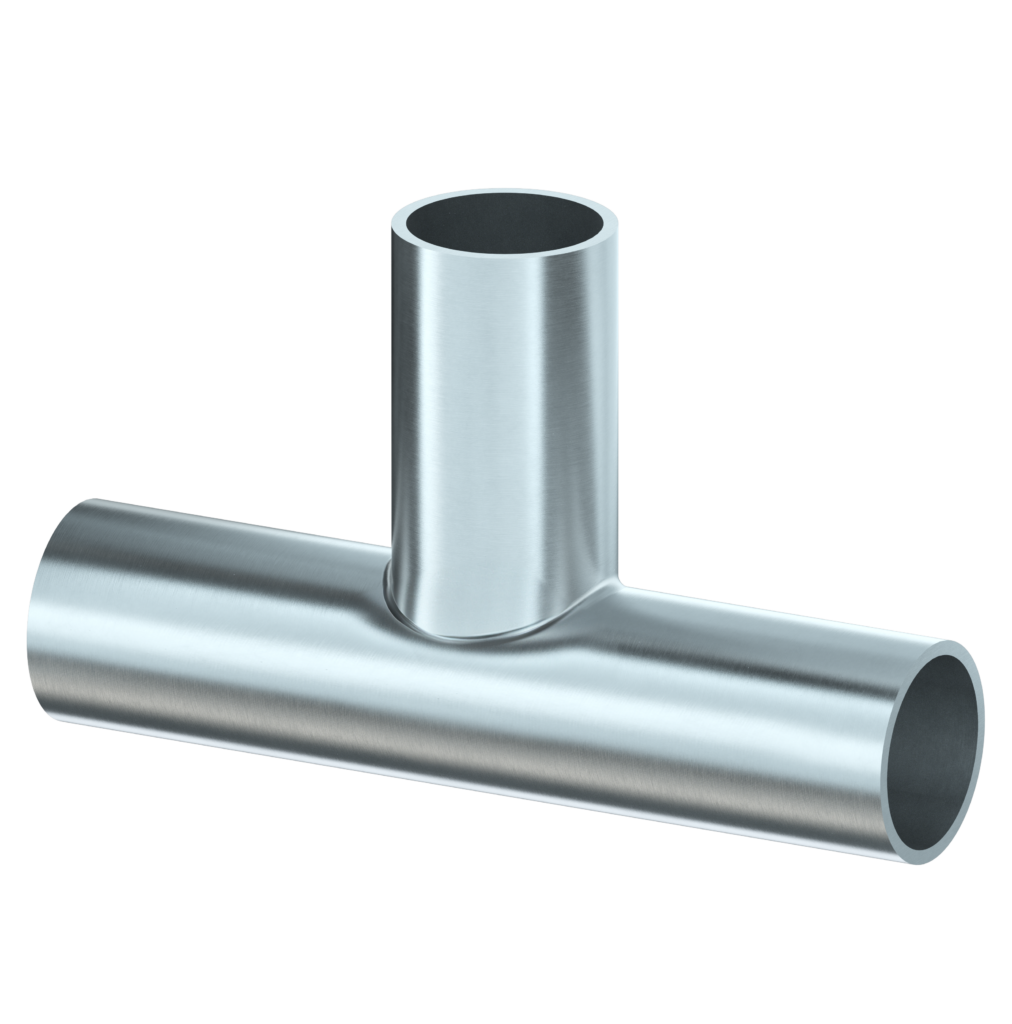
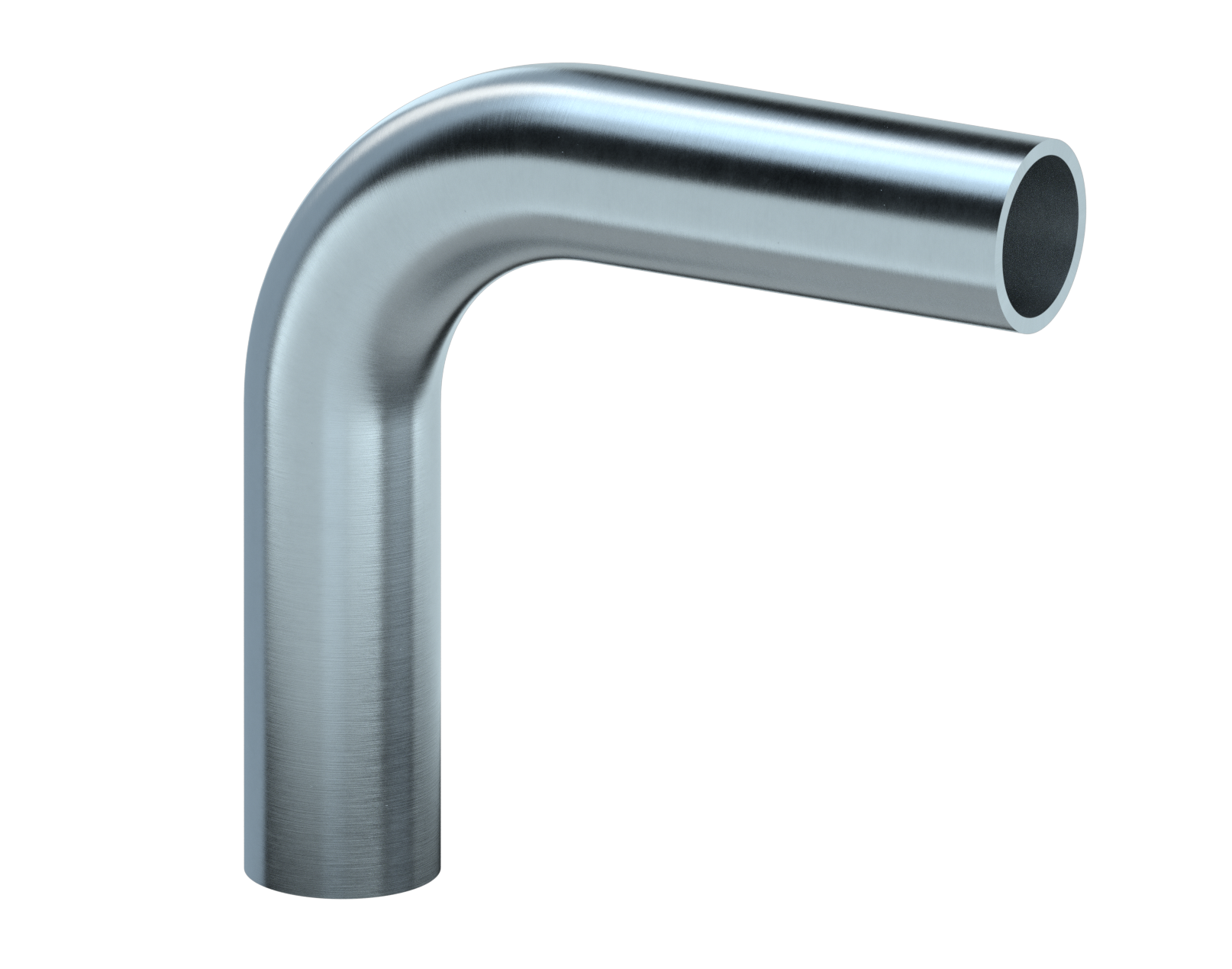
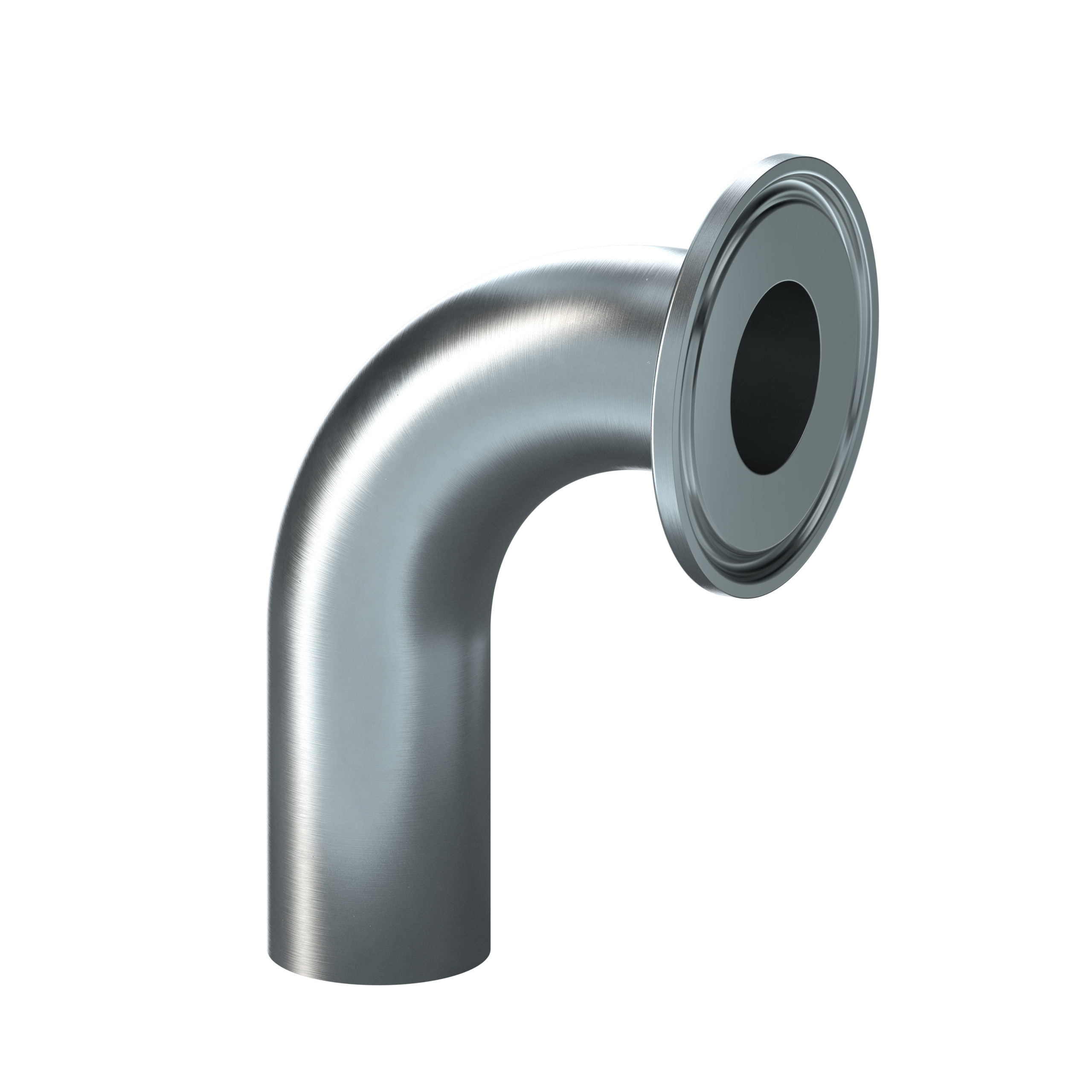
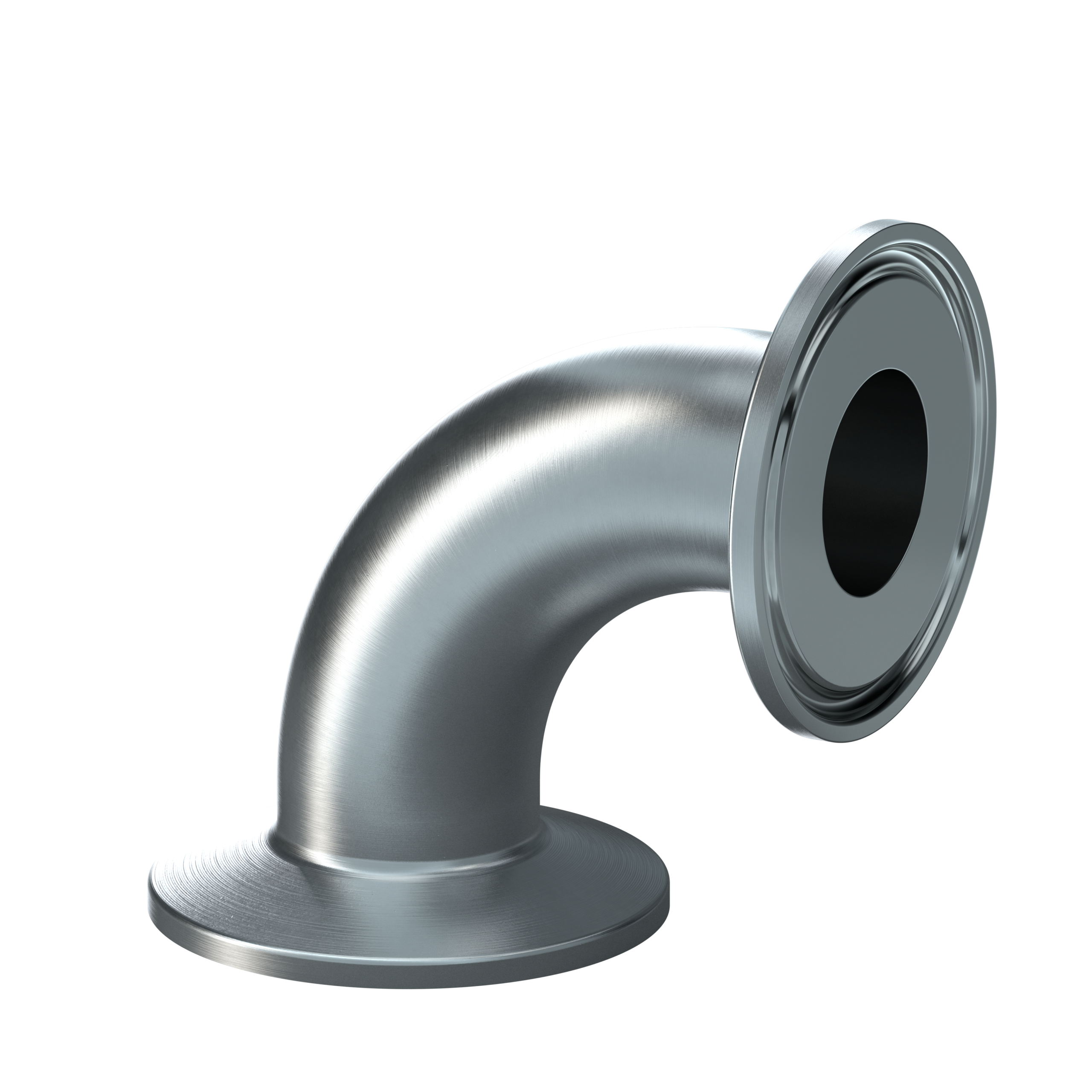
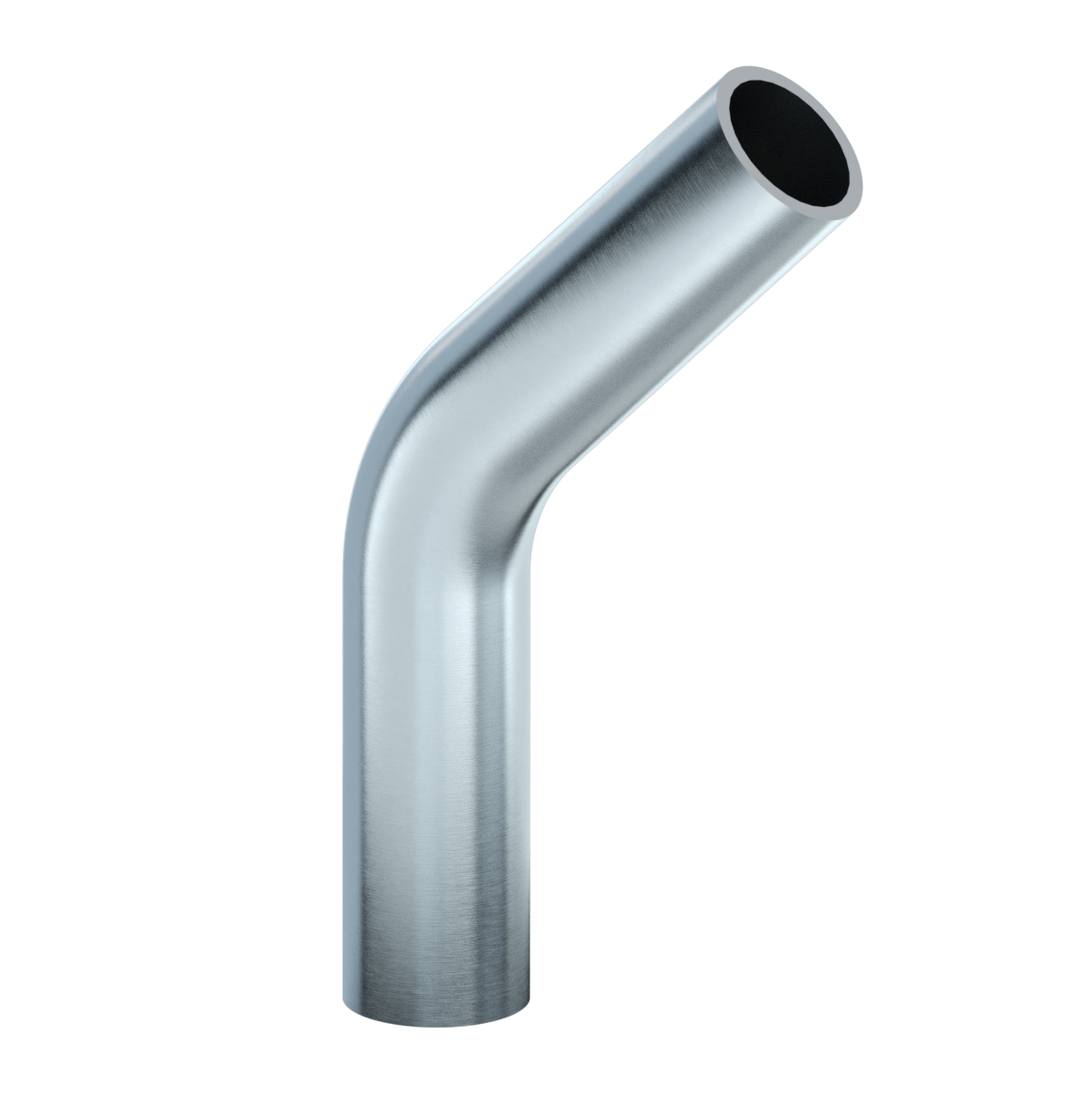
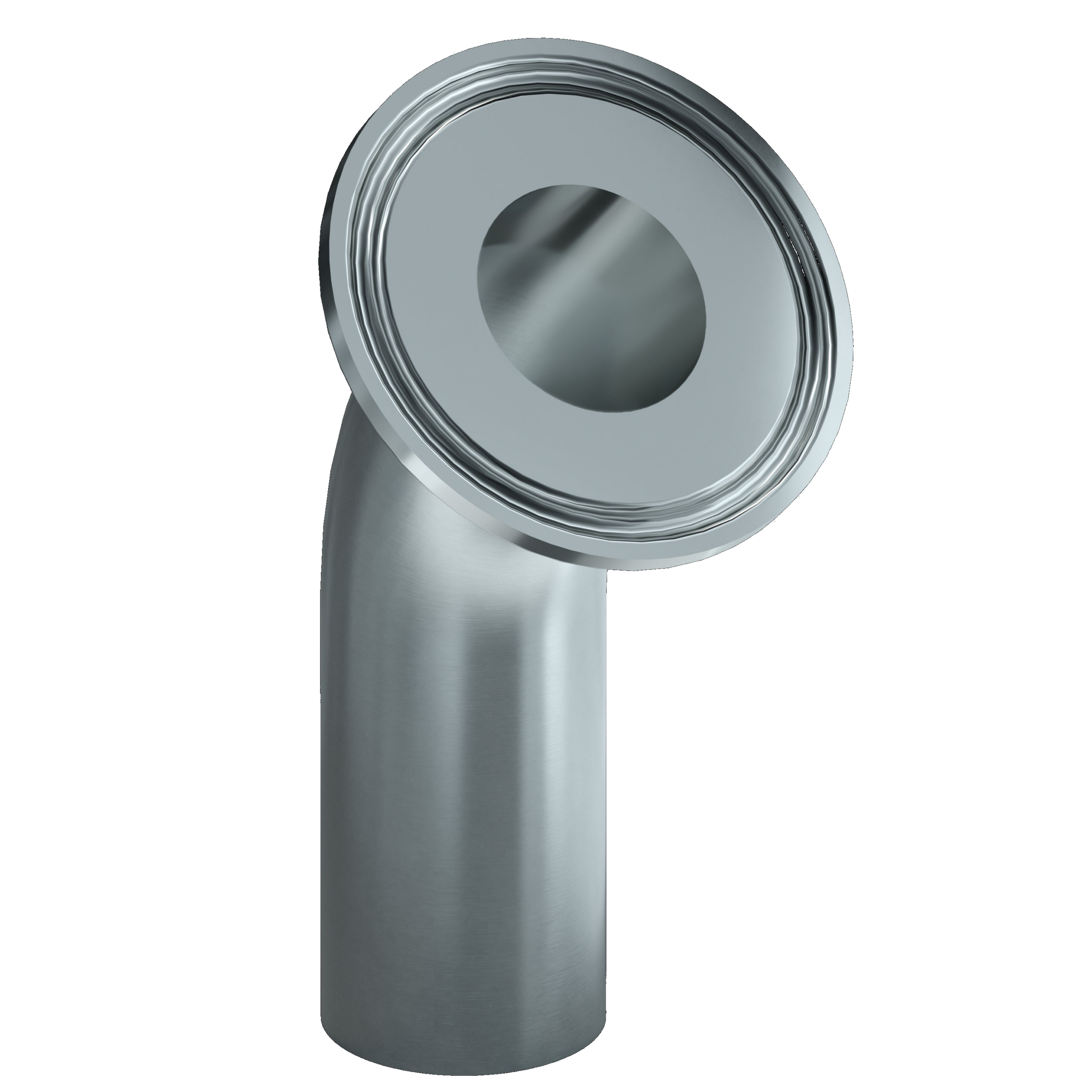
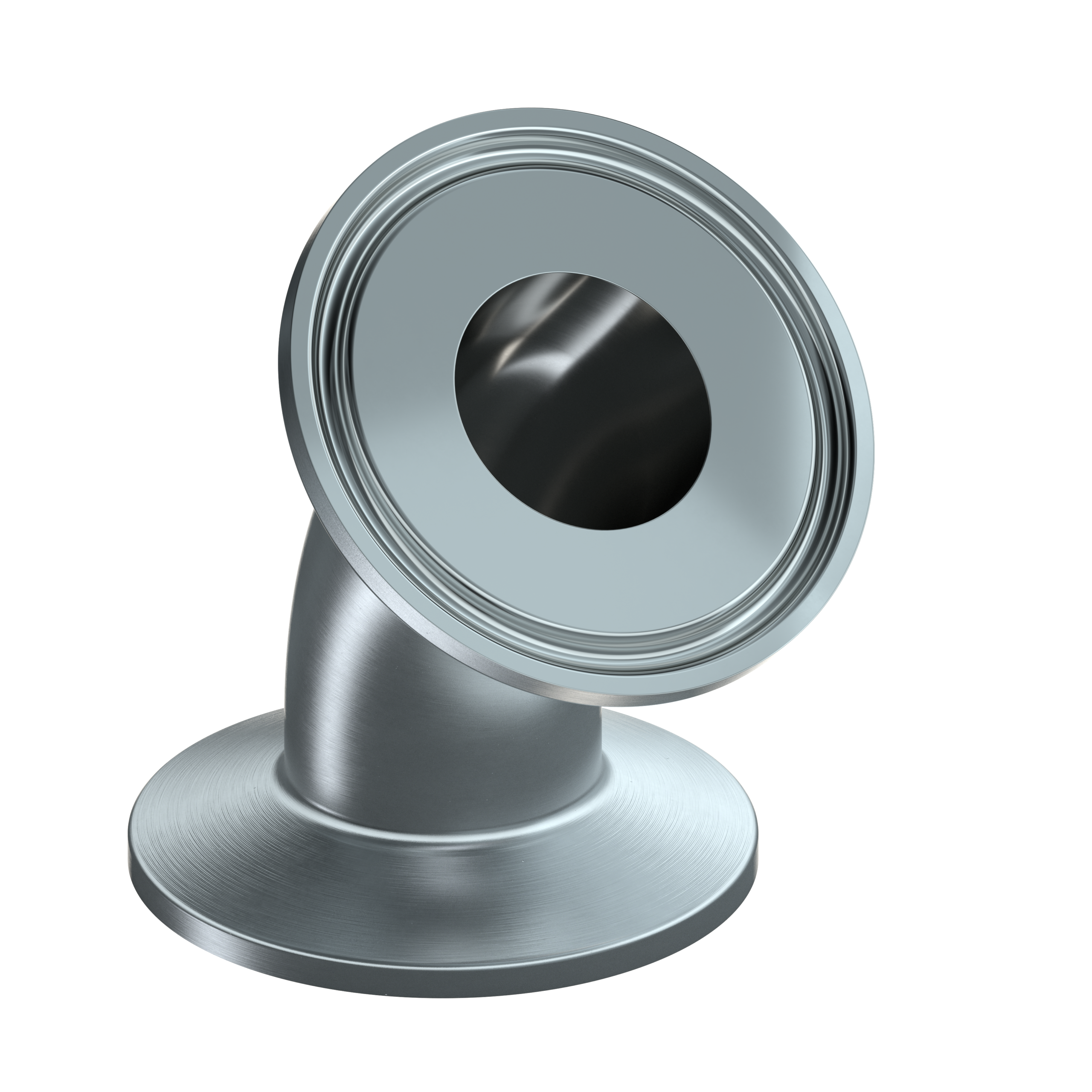
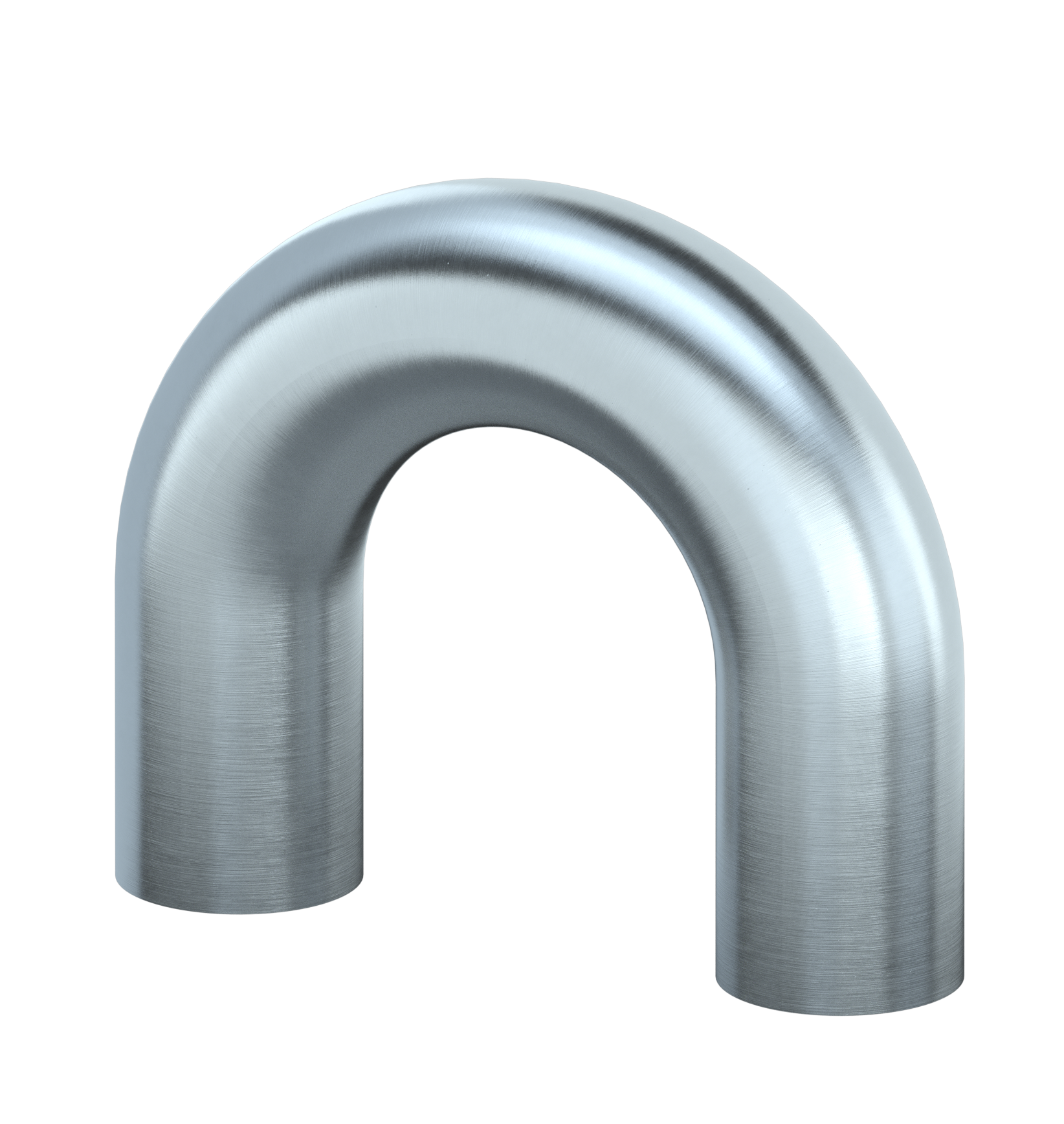
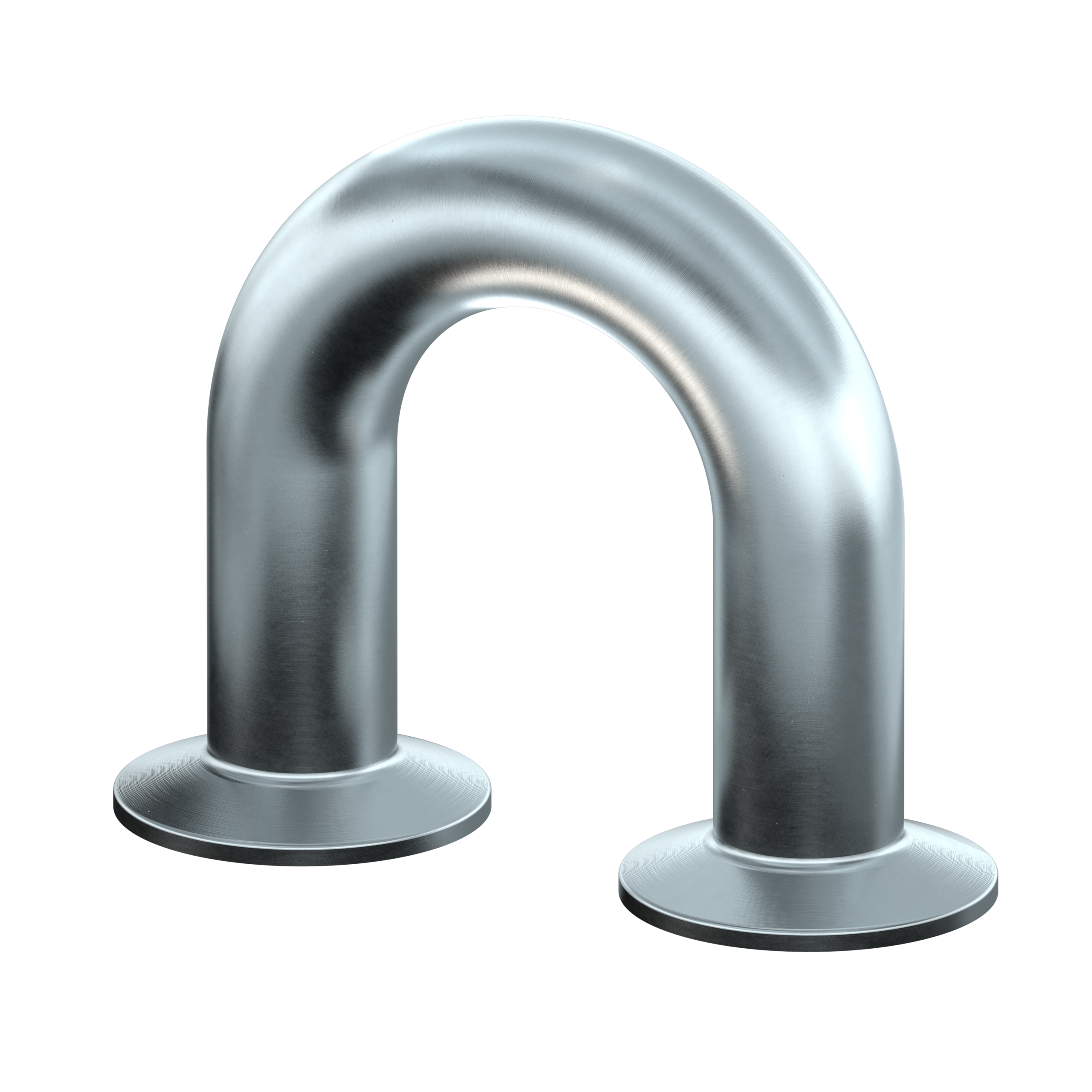
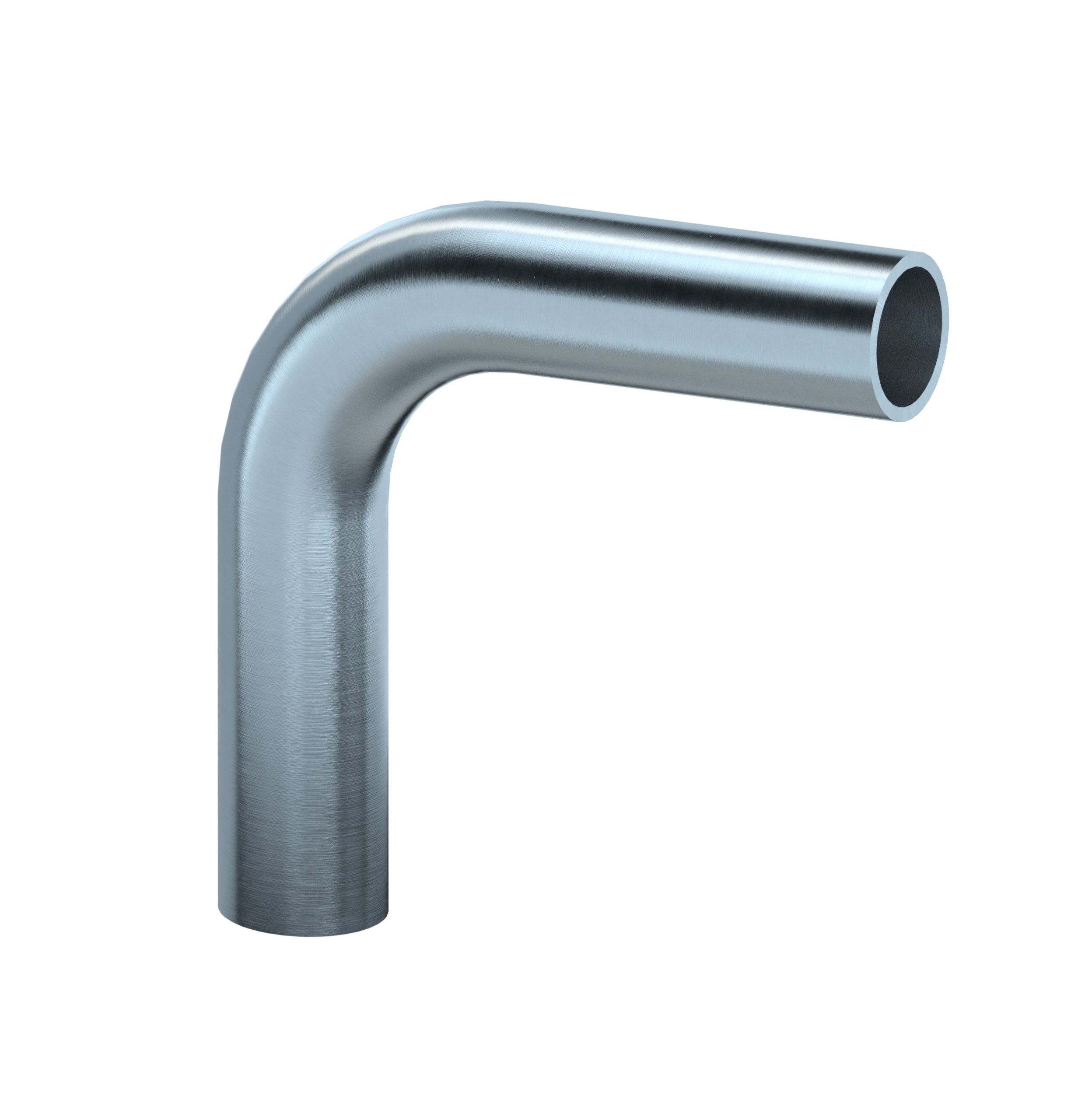
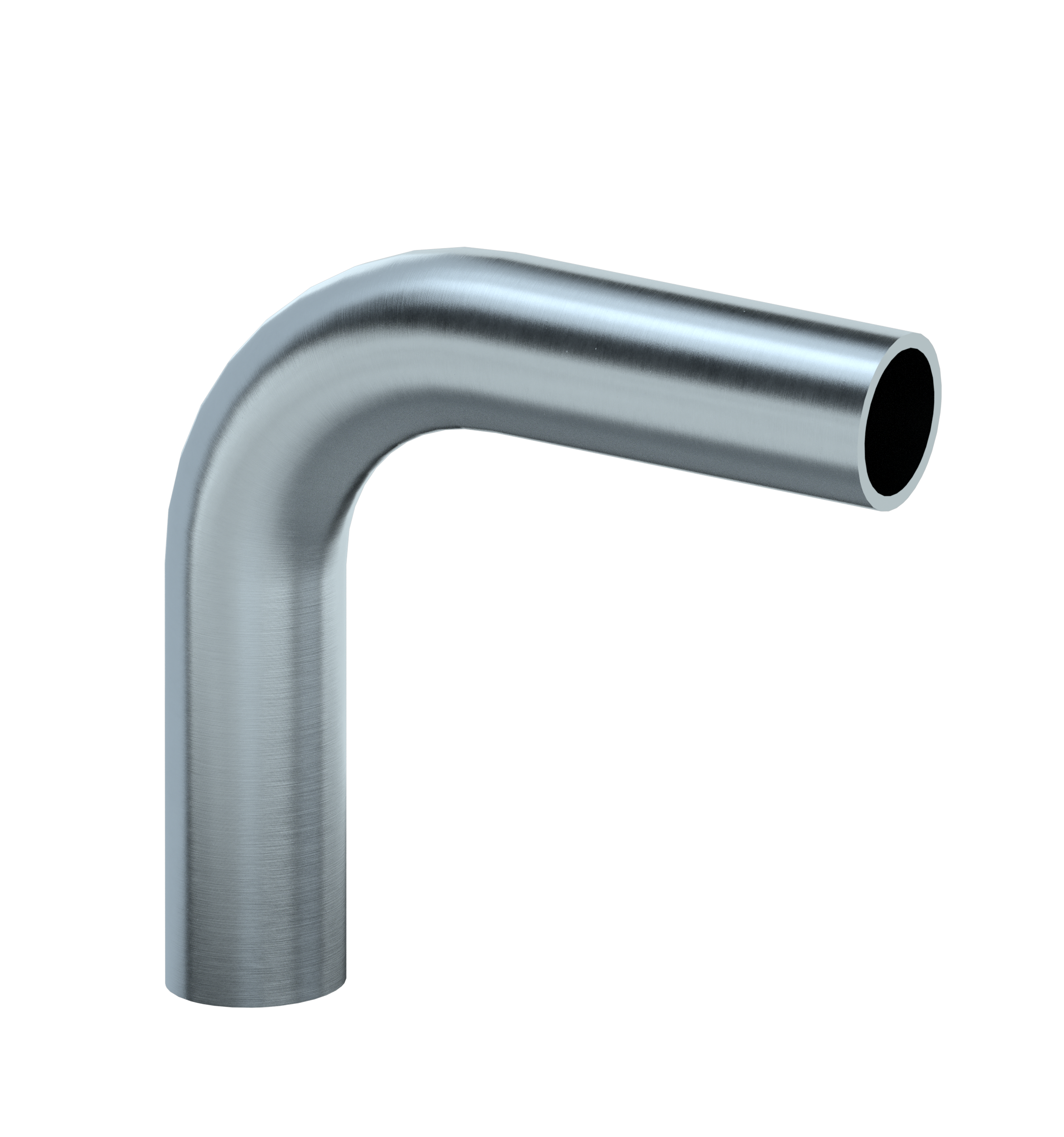
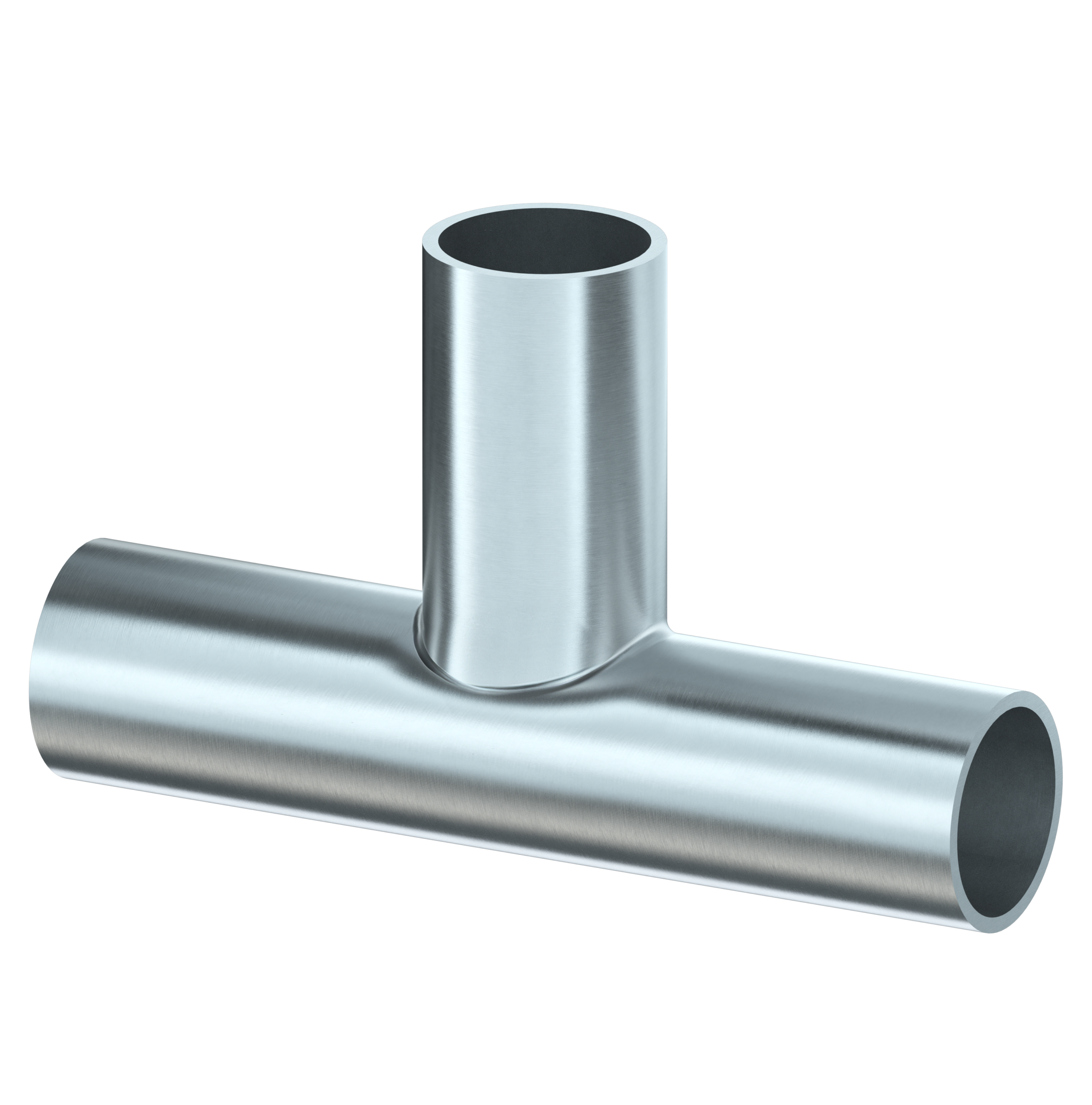
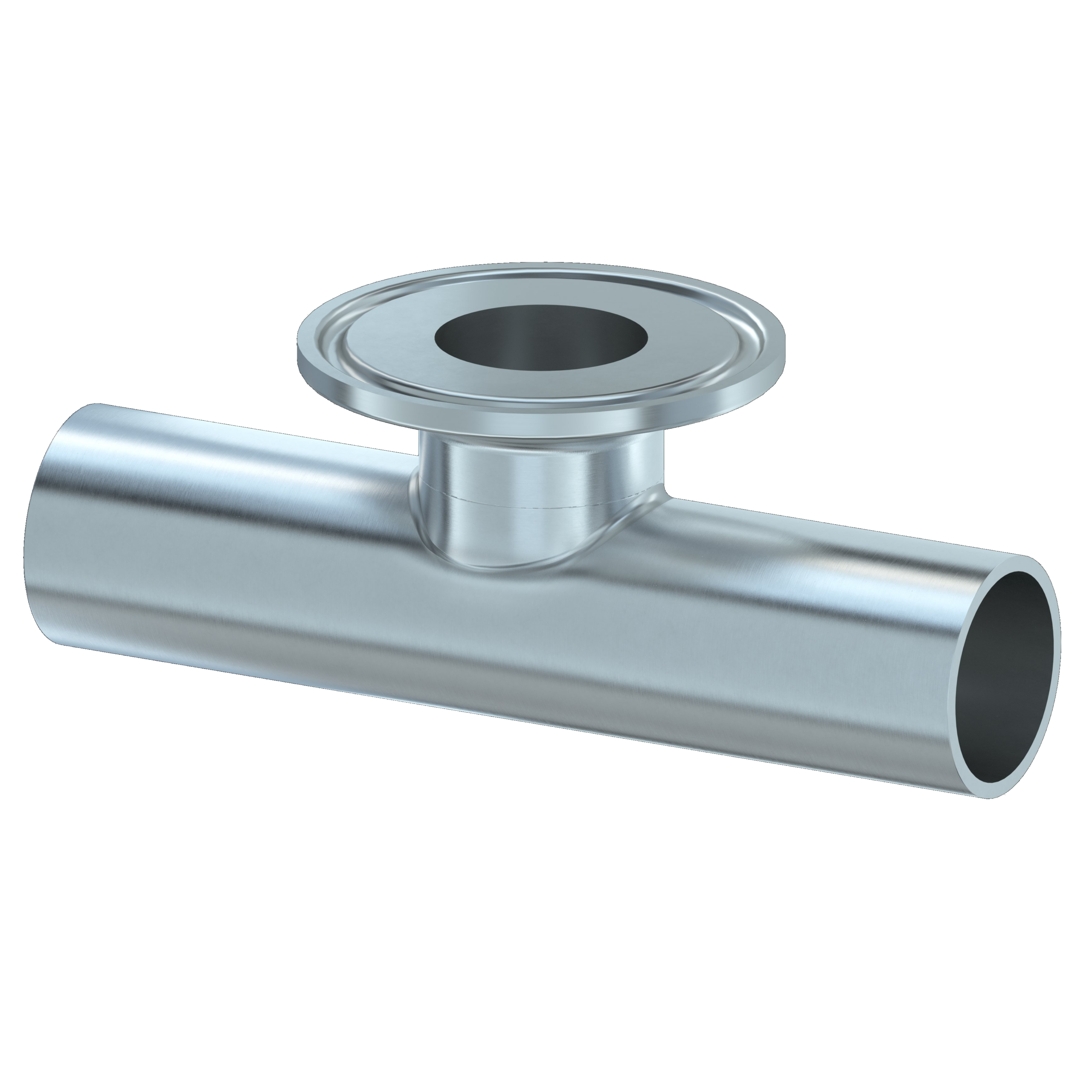
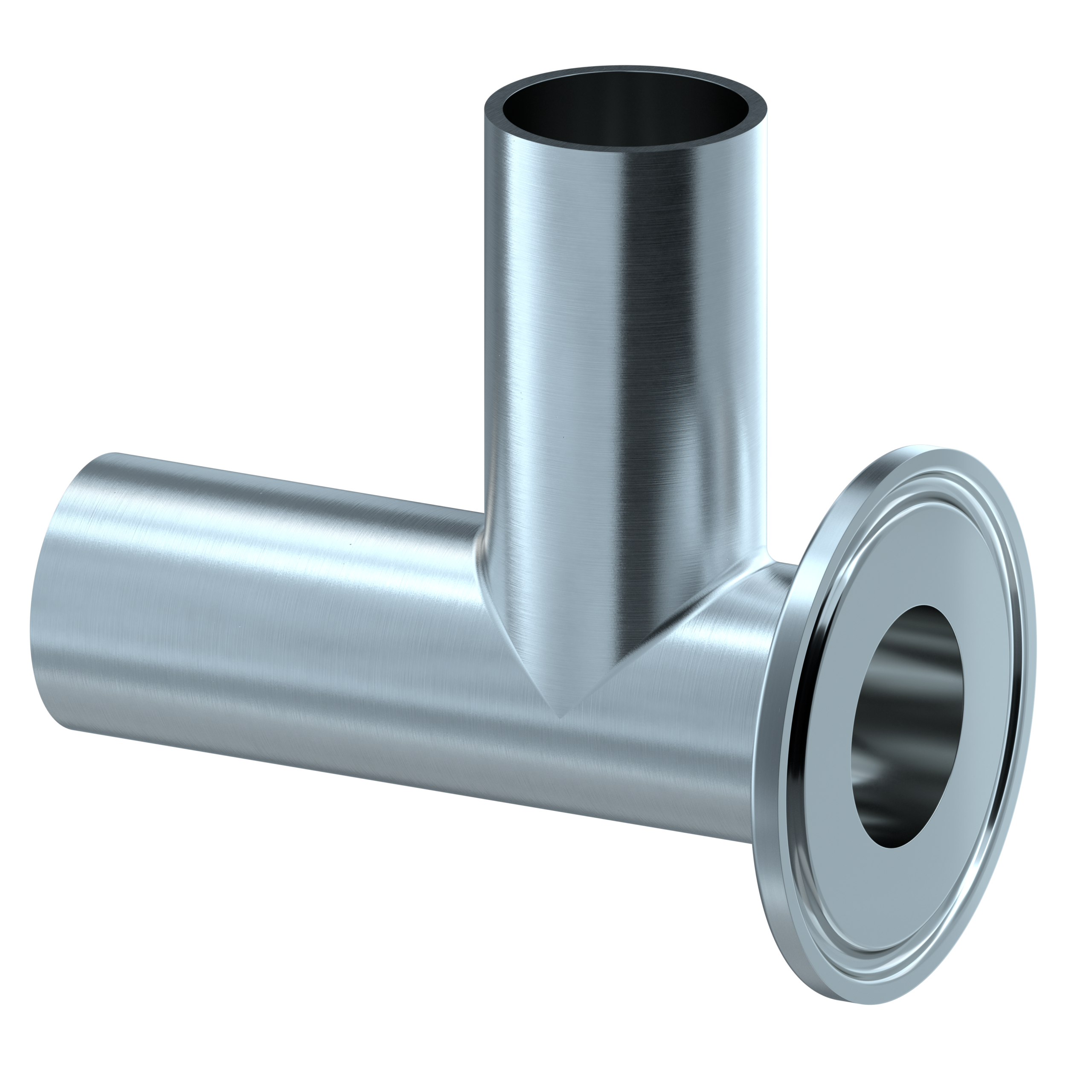
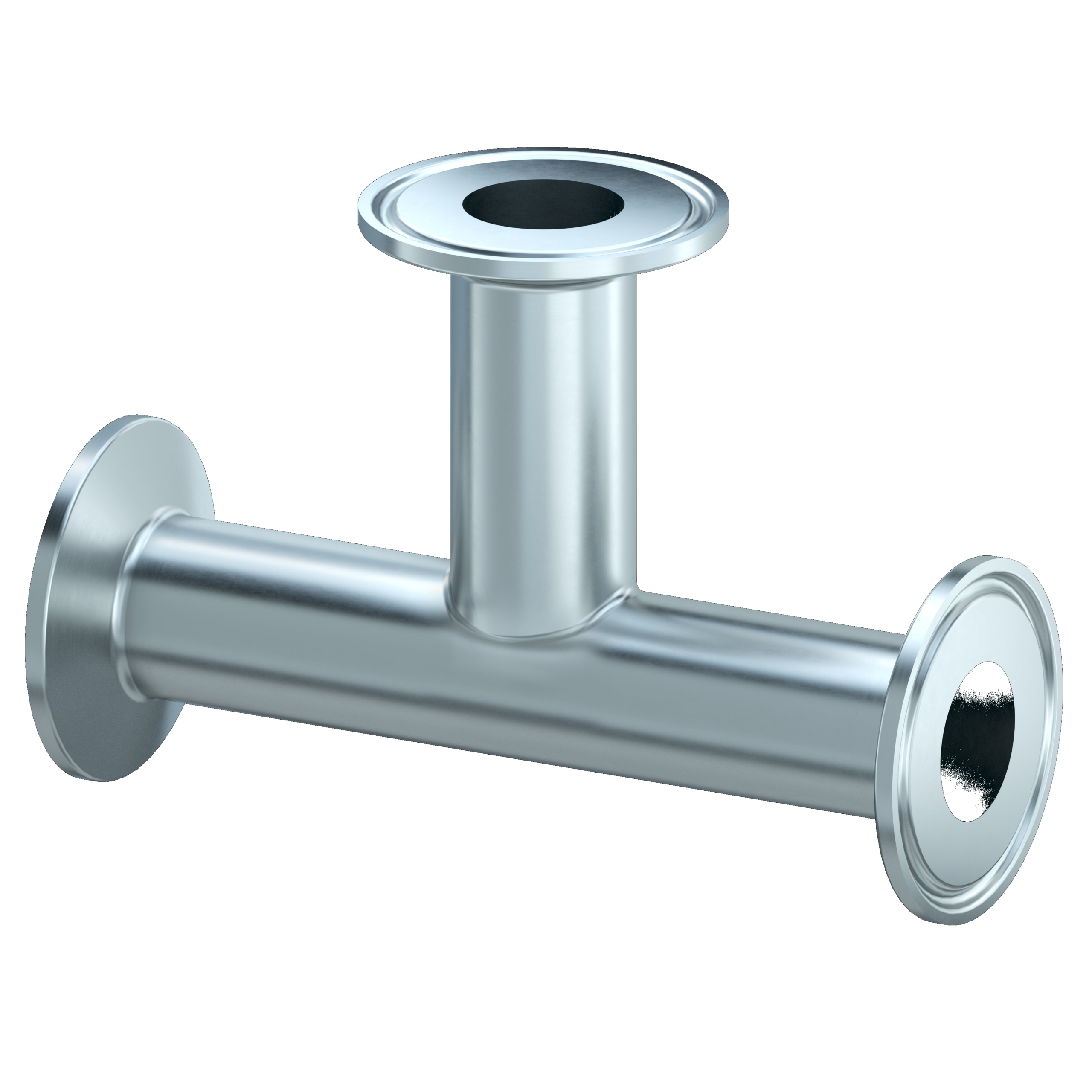
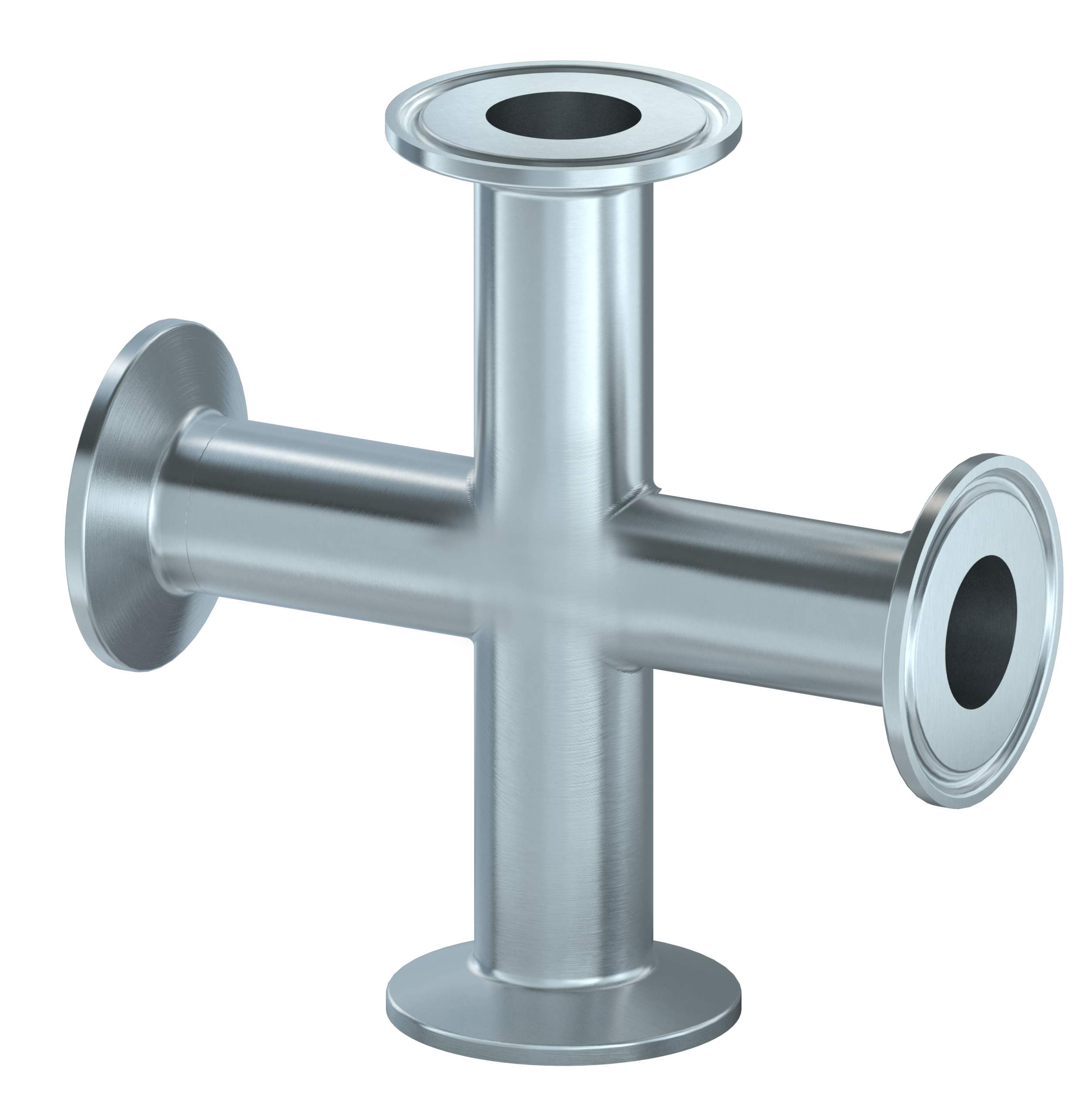
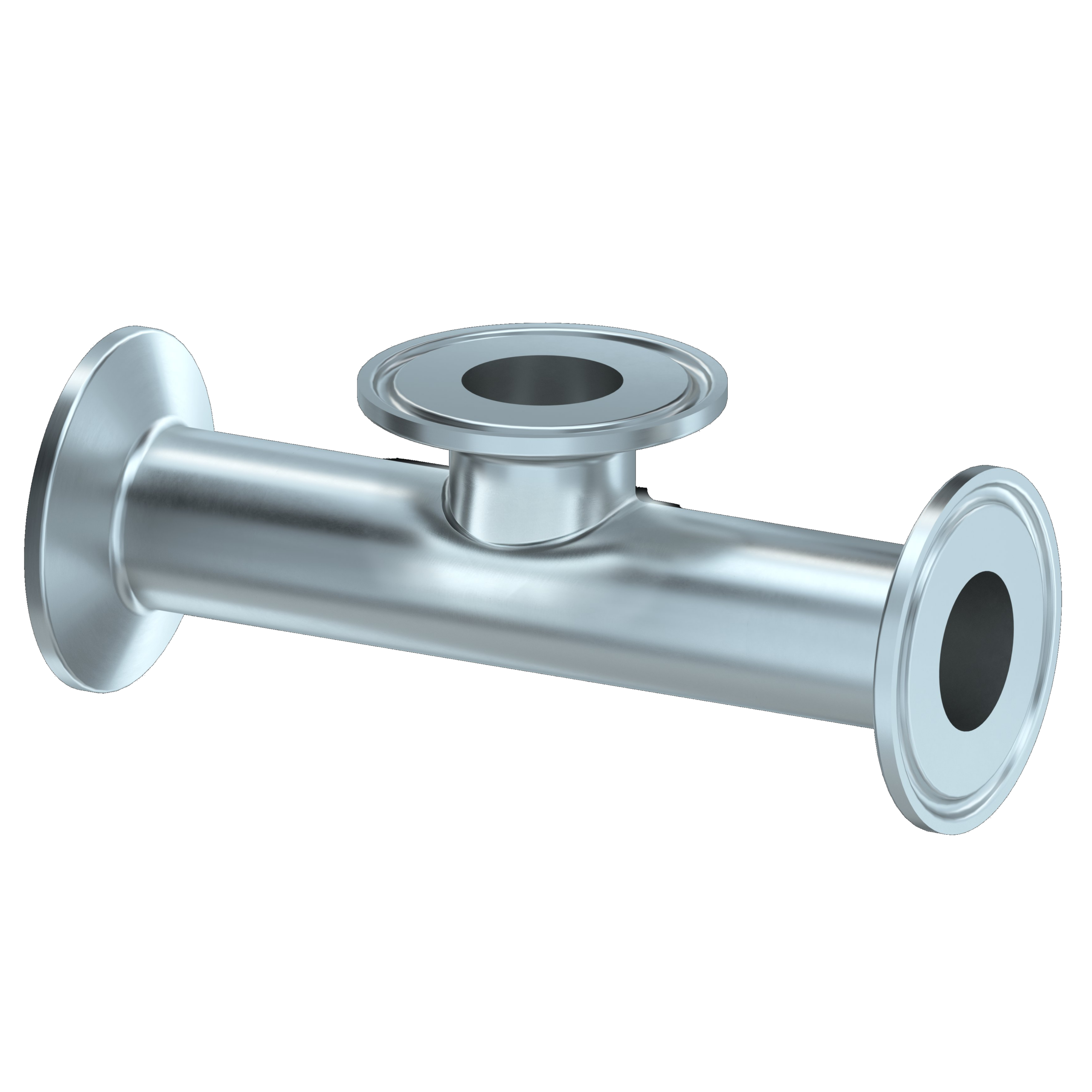
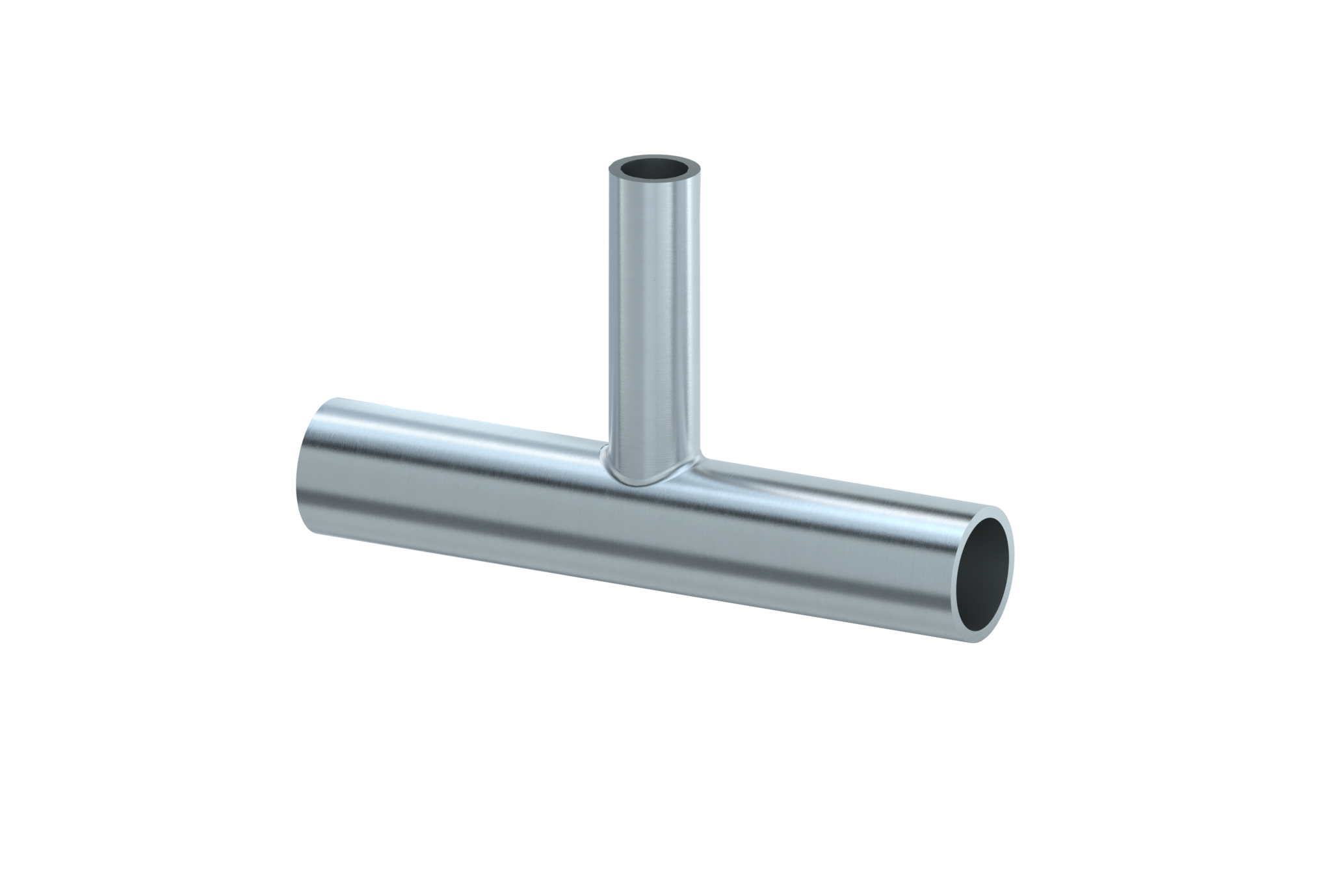
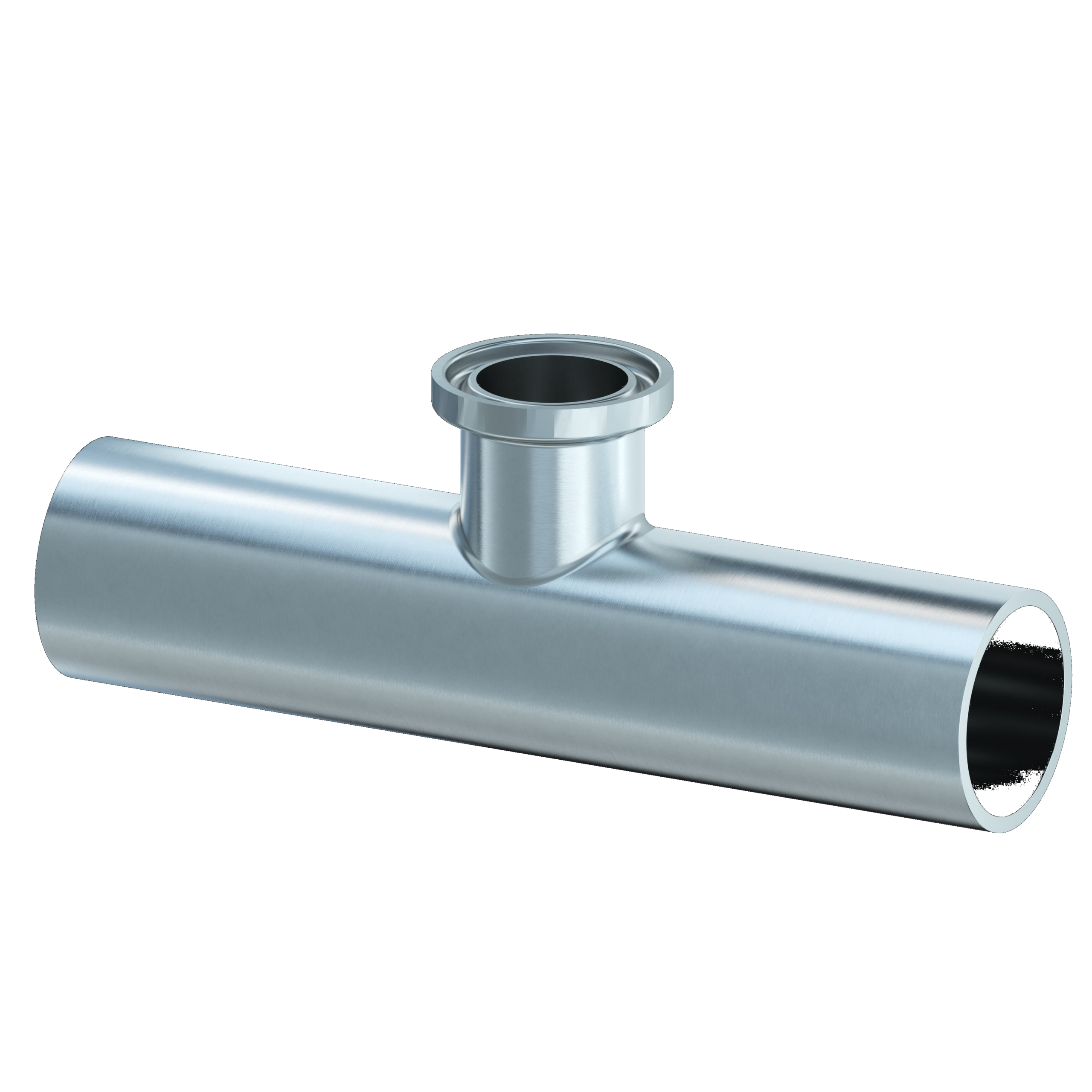
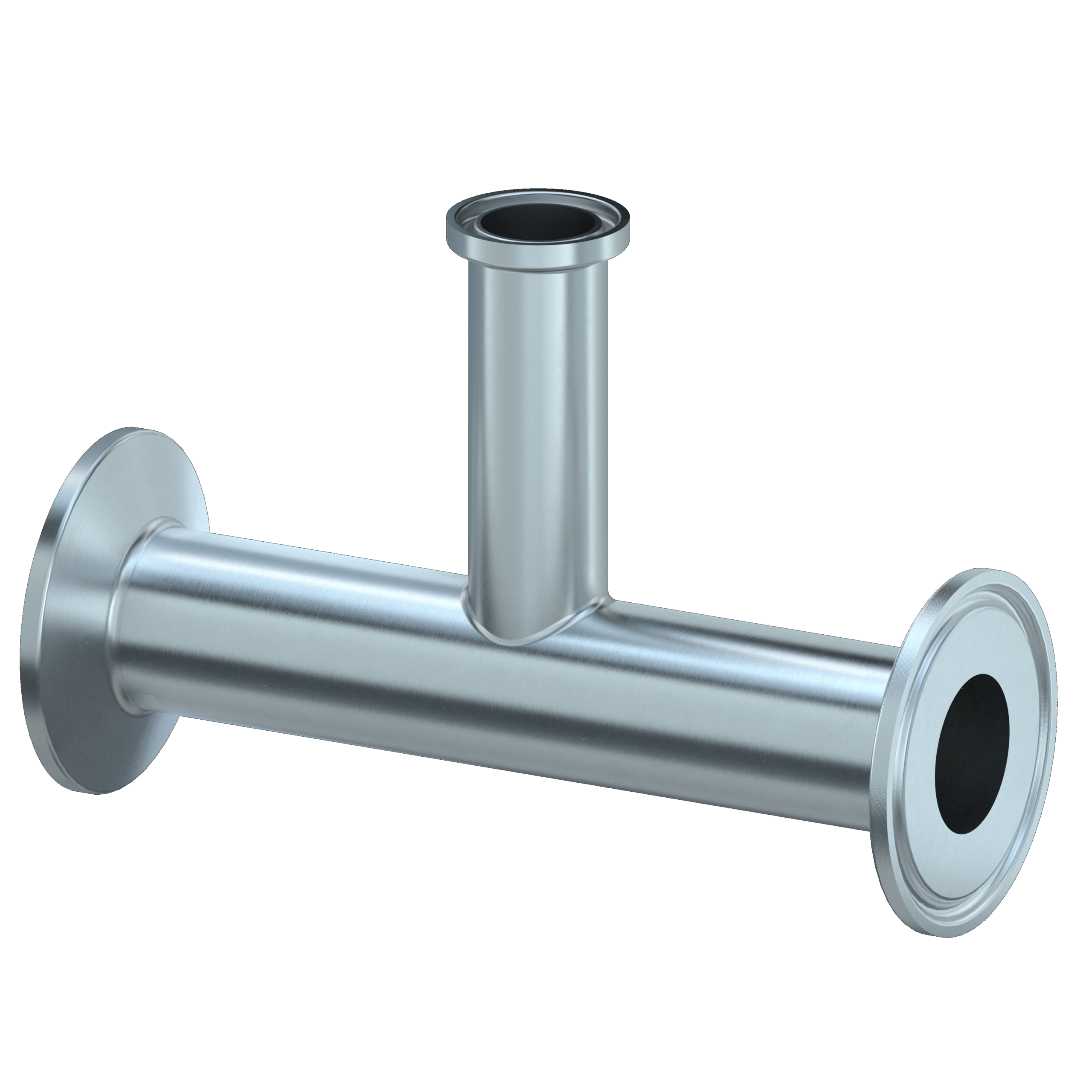
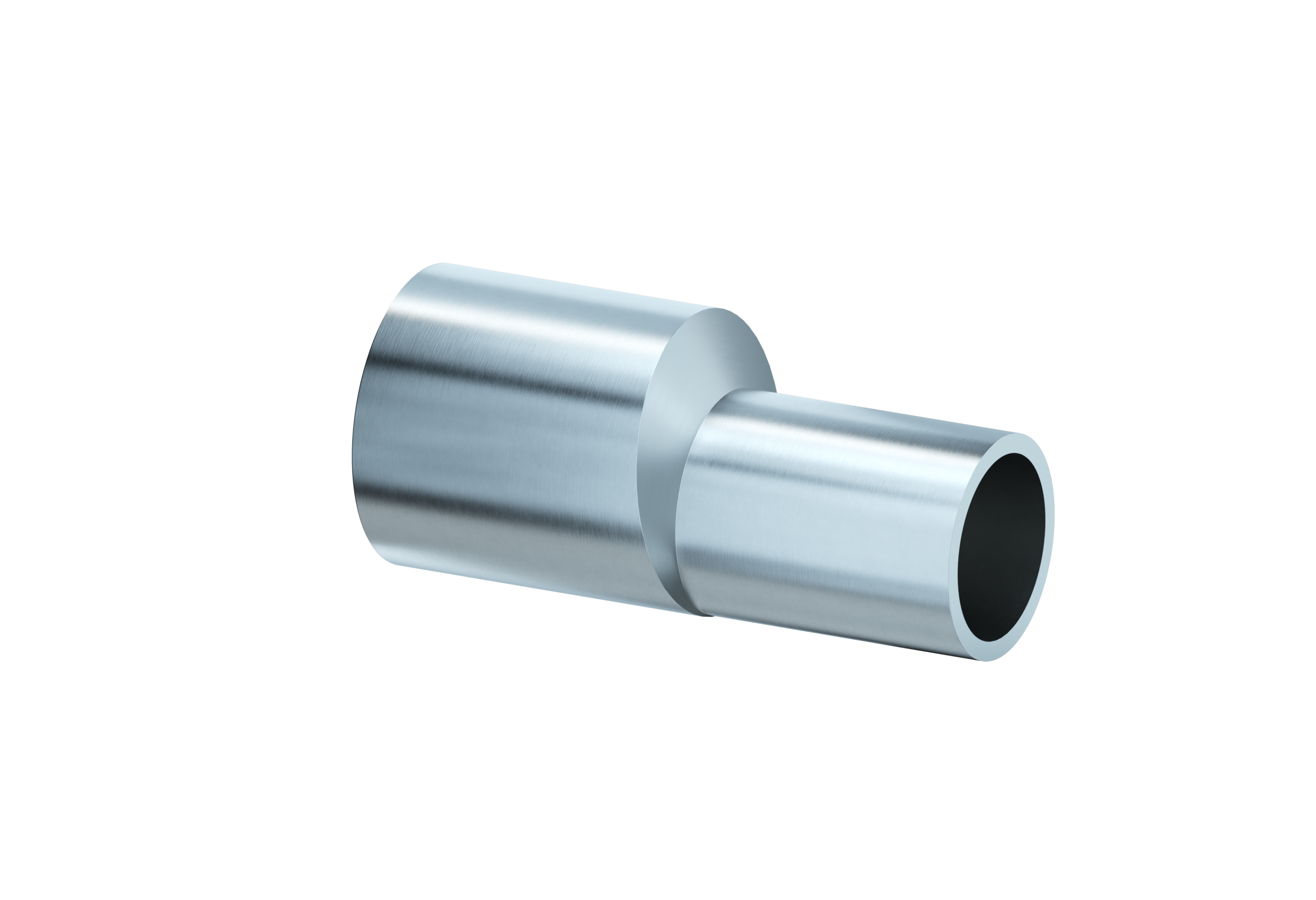
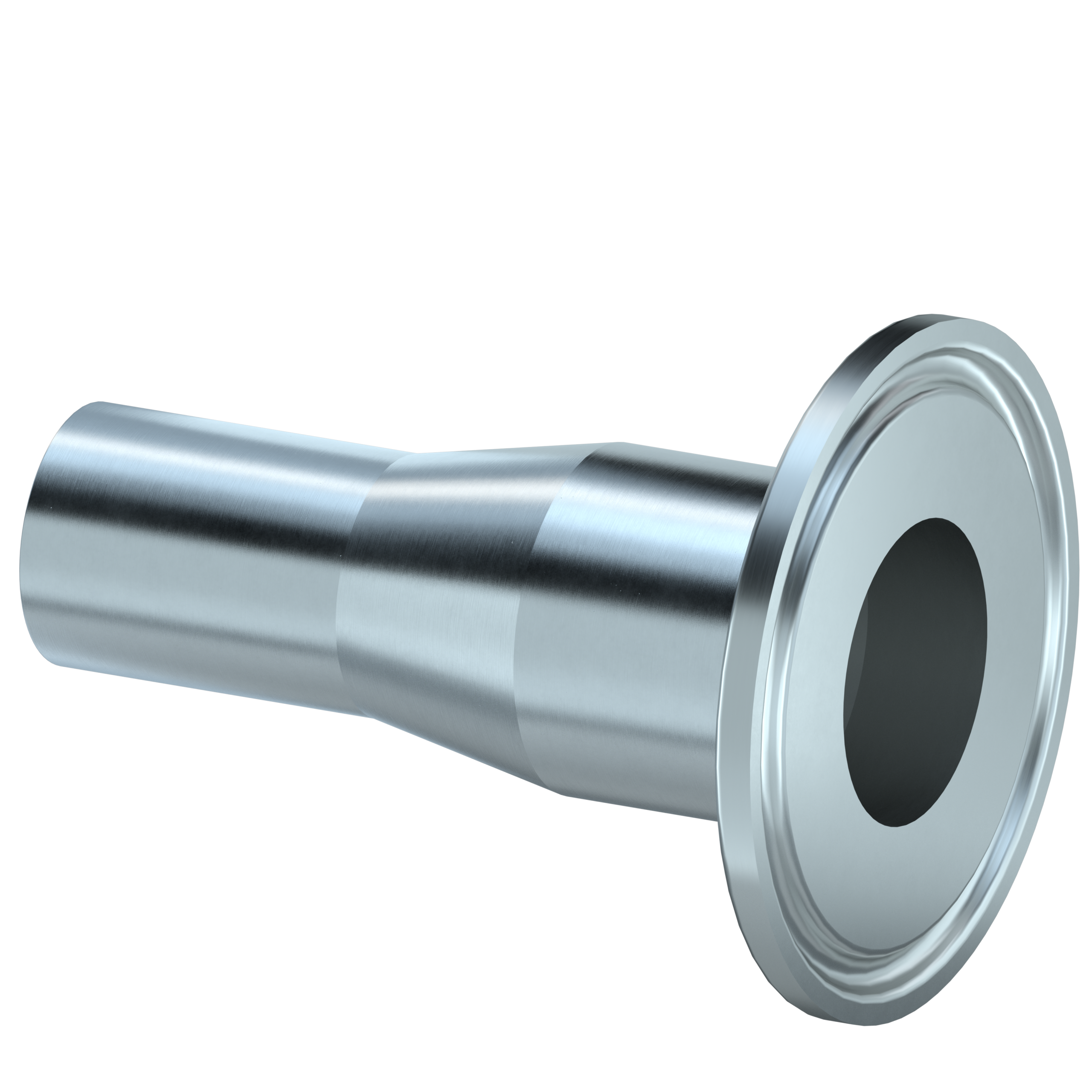
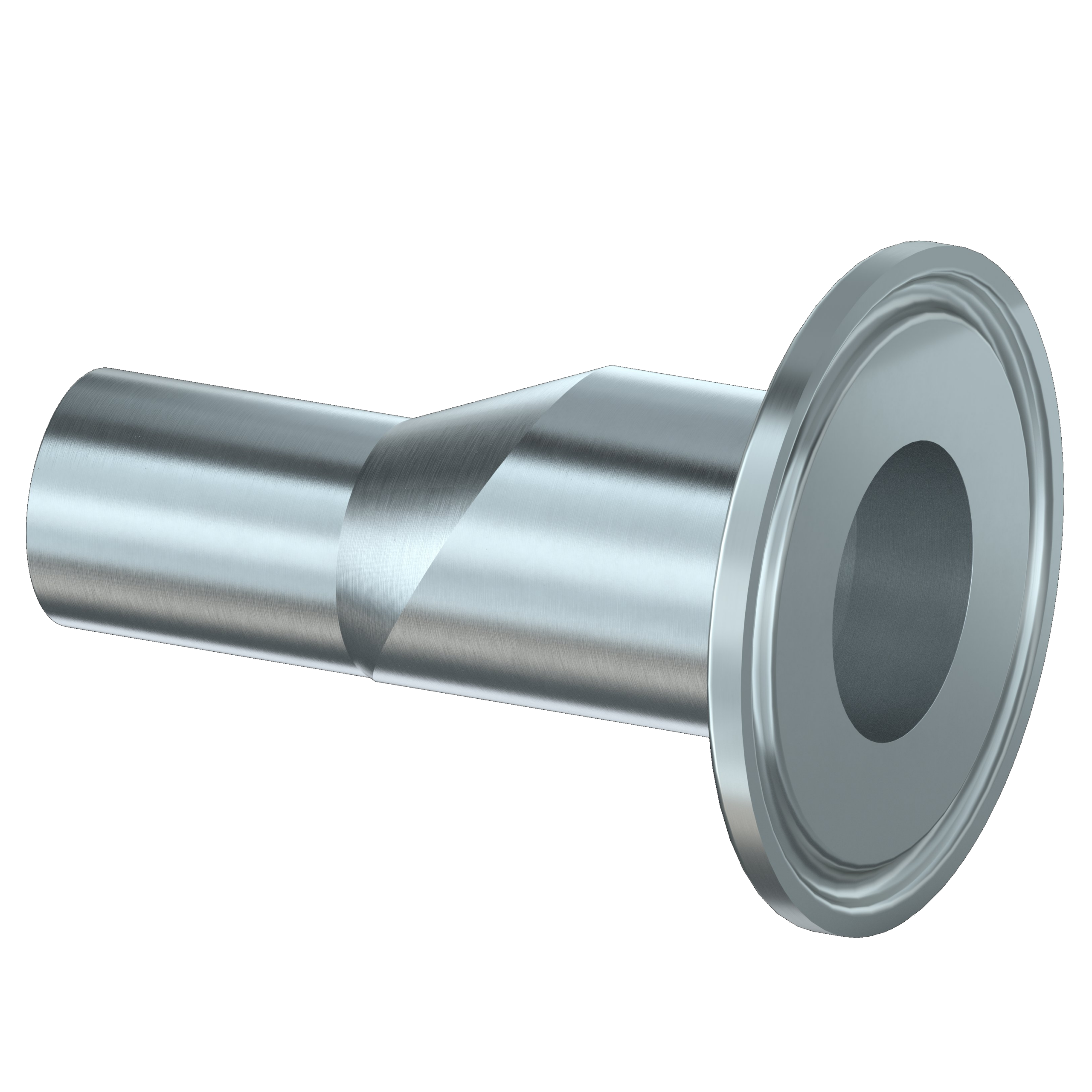
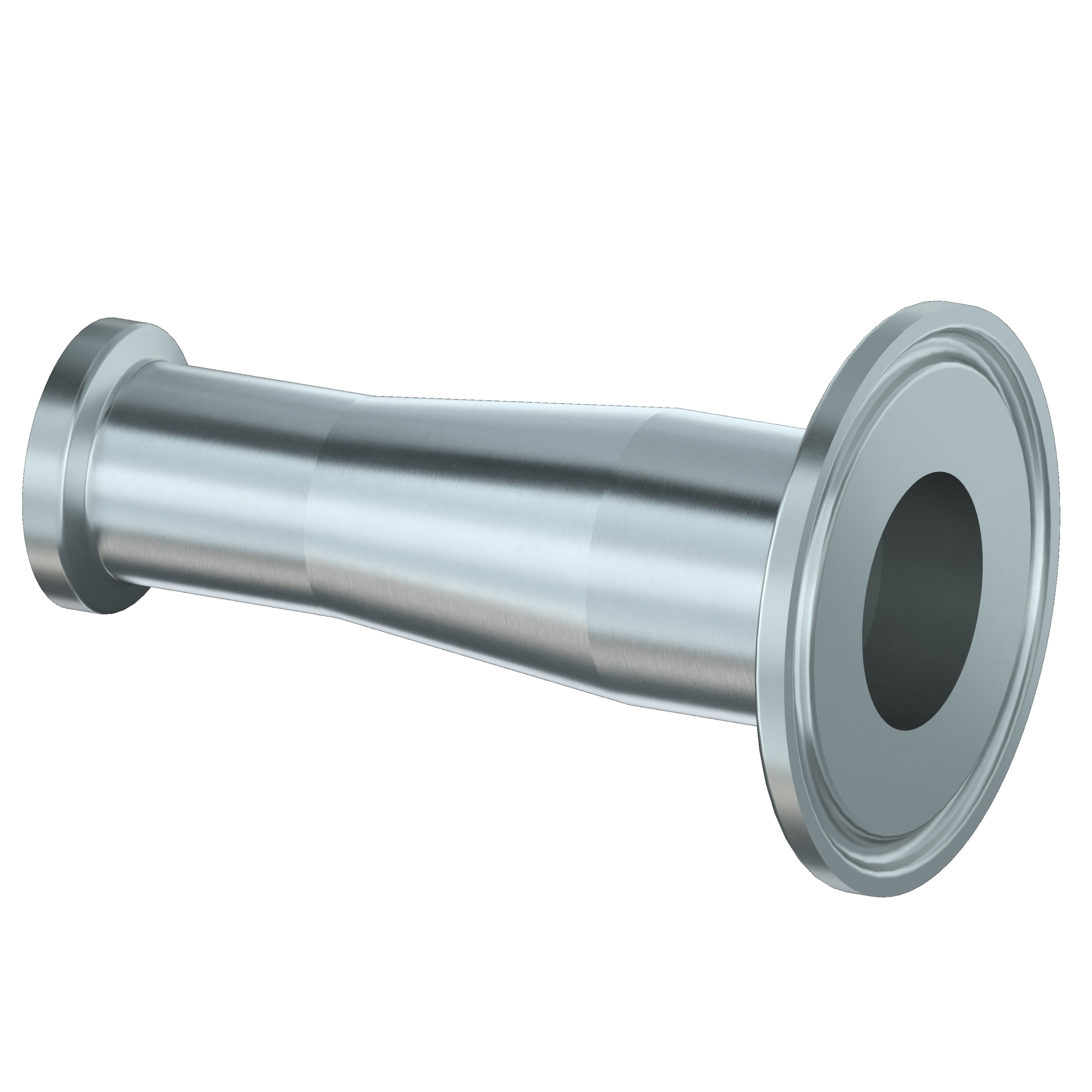

The ASME BPE standard identifies each connection with a code (DT-4.1.1-1, DT-4.1.2-4, DT-4.1.4-1), but this code says nothing about the shape of the part to which is unfamiliar with the part dt. This glossary makes the opposite of thePillar article dedicated to the ASME BPE standard : it starts from the visual to go back to the code, and from the code to the corresponding product sheet.
Each entry of this ASME BPE Part DT glossary associates: the standardized code, its old mark pre-2016 in parentheses when it exists, a 3D rendering of the component, and the link to its complete product sheet (dimensions, tolerances, nuances available). The codes follow the numbering of the ASME BPE-2026 edition. In the designations, “to weld” means an automatic welding end (orbital) and “clamp” a hygienic collar end.
The most common elbow in the range: two ends to weld automatic (orbital), without collar.
One end to weld automatic, the other in clamp: the direct transition between a welded line and removable equipment.
Two clamp ends, for installation parts disassembled with each cleaning or inspection.
One end to weld automatic, one end clamp.
Used for exchangers and compact U-shaped configurations.
The dismountable version of U-back, two clamp ends.
A slightly less than 90° angle, useful for compensating a flow slope without adding a component.
Symmetrical of the 88° in an over-angle, to compensate for a flow slope in the other direction.
Three ends to weld automatic, output of the same diameter as the line.
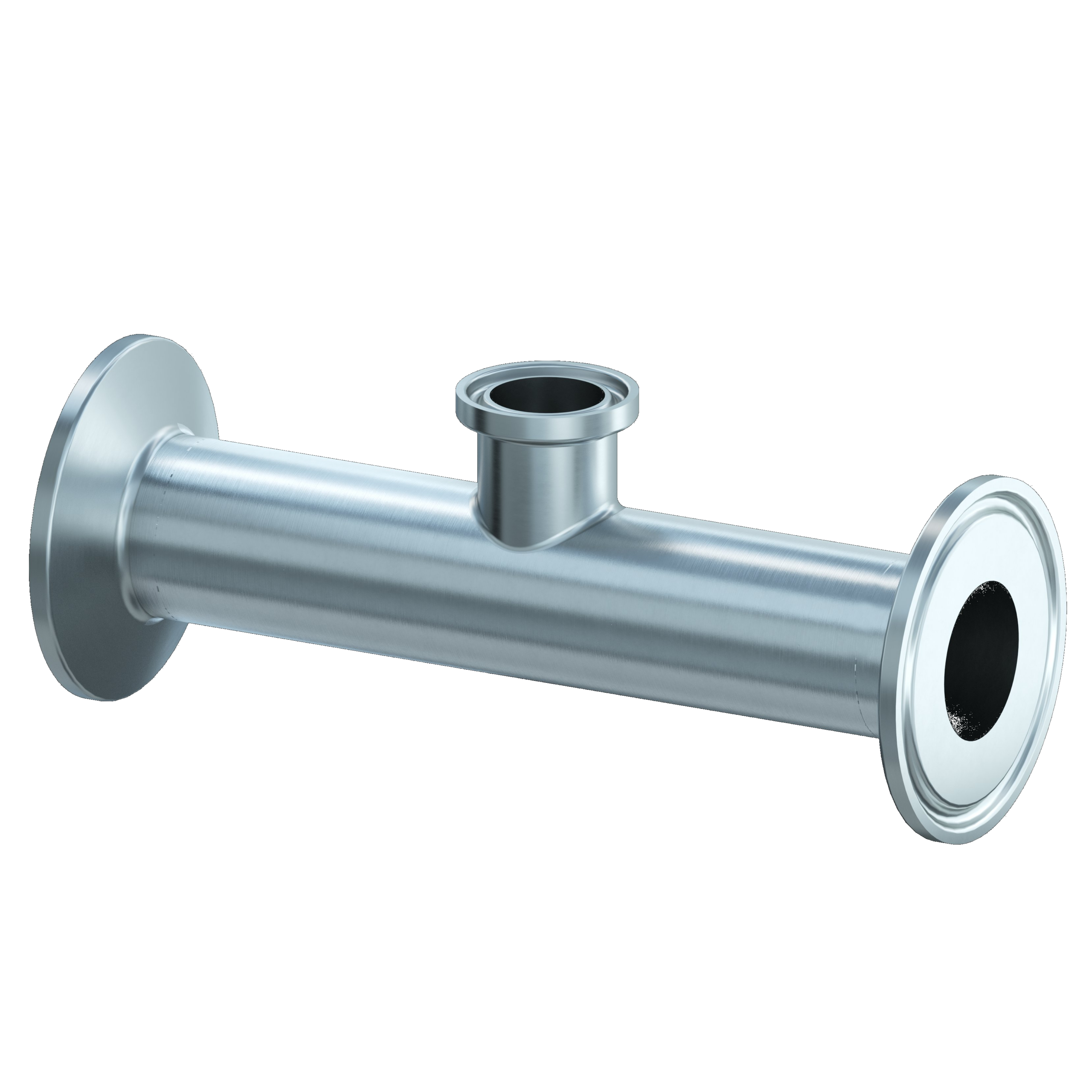
Automatic welding main line, side outlet of the same diameter in clamp.
Automatic welding line, short clamp output: the reduced stitching length limits the dead arm.
The three ends in clamp, for a completely removable assembly.
Same dimensional family as the tee equals clamp, with a fourth diametrically opposite output.
The three ends in clamp, short side exit.
the side outlet is of a diameter less than the main line; Three ends to weld automatic.
Automatic welding line, reduced and short clamp output.
Three clamp ends, lower diameter side outlet.
Three ends clamp, reduced and short output.
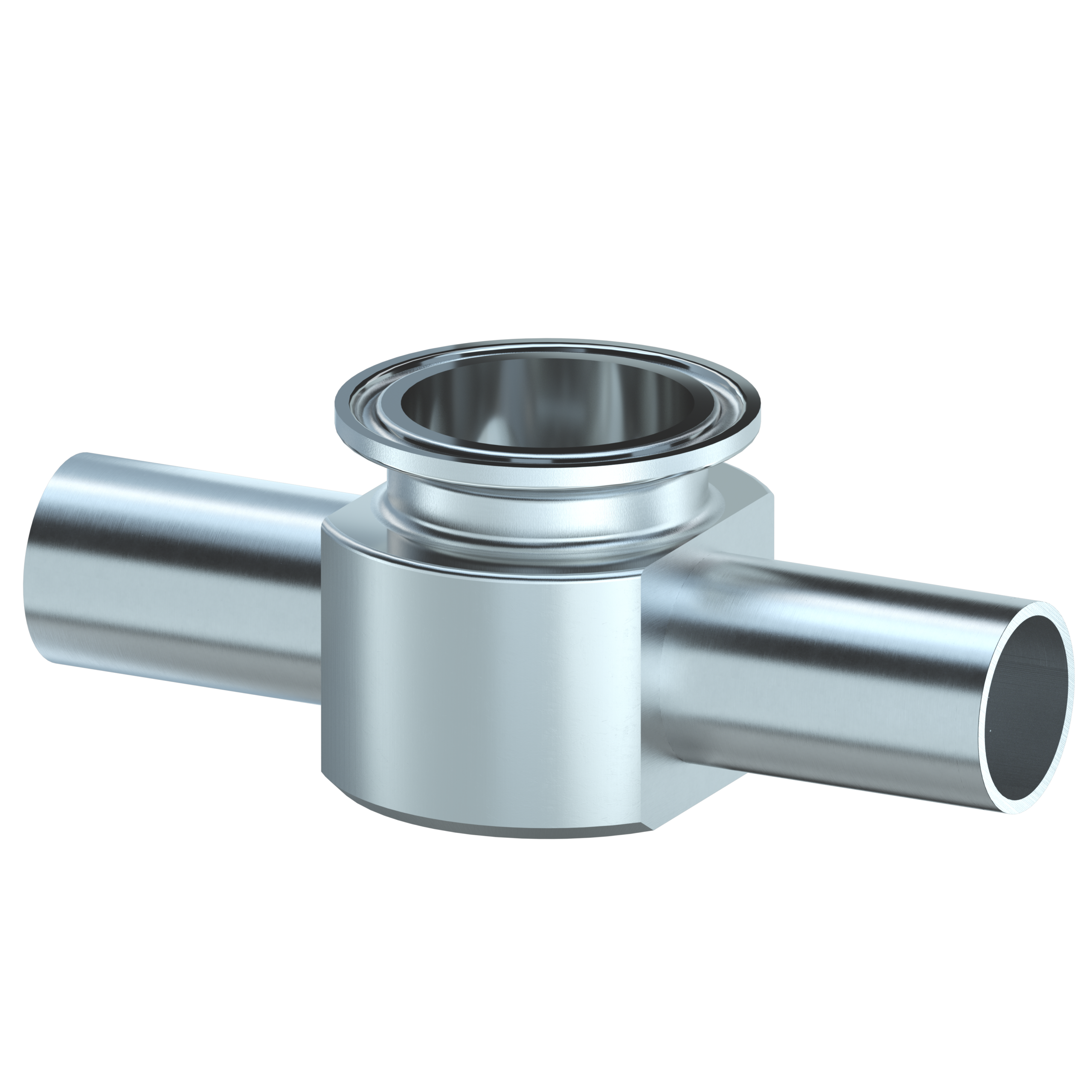
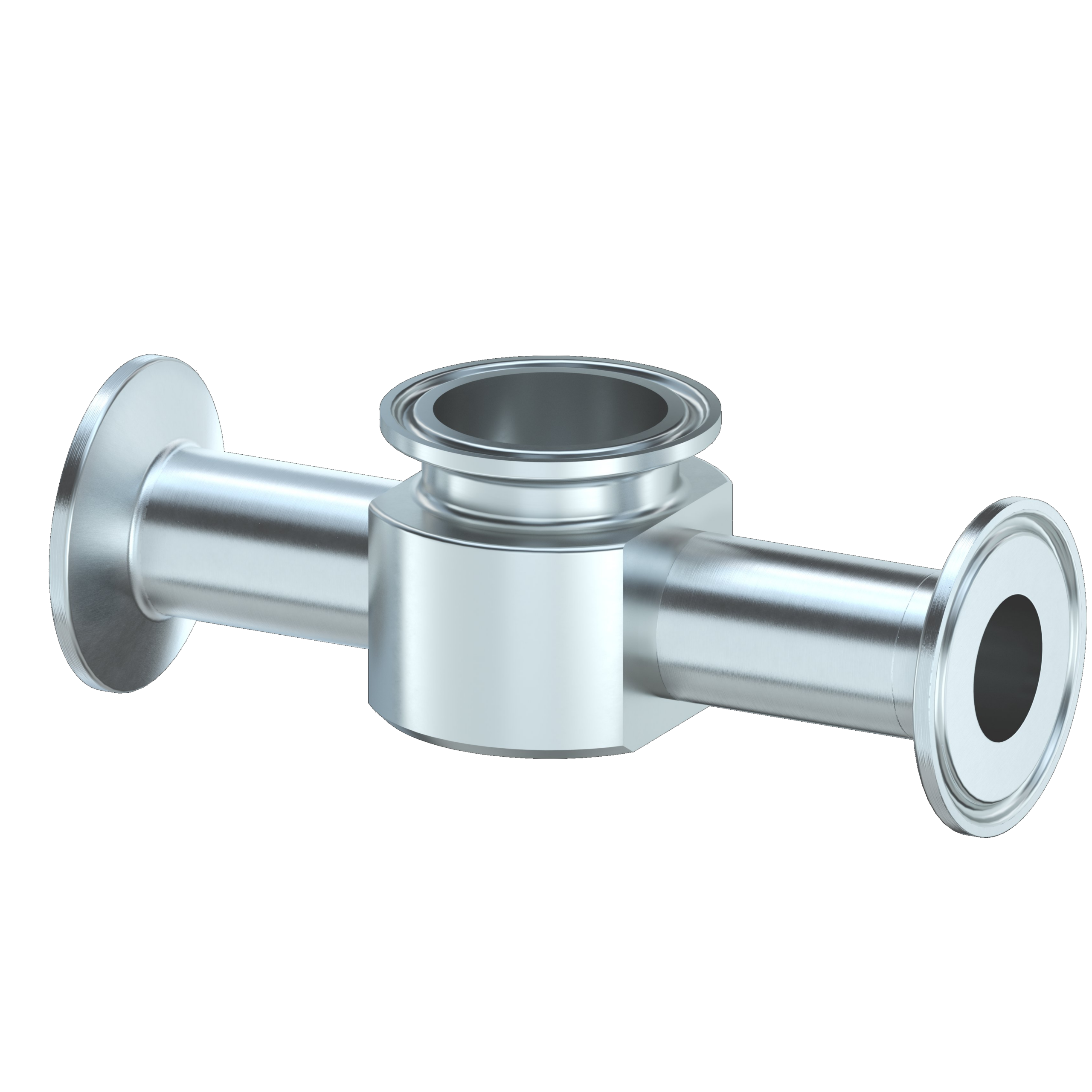
Side output sized to receive a sensor (Part PI), not a process stitching.
The clamp version of the instrument tee, for a removable sensor.
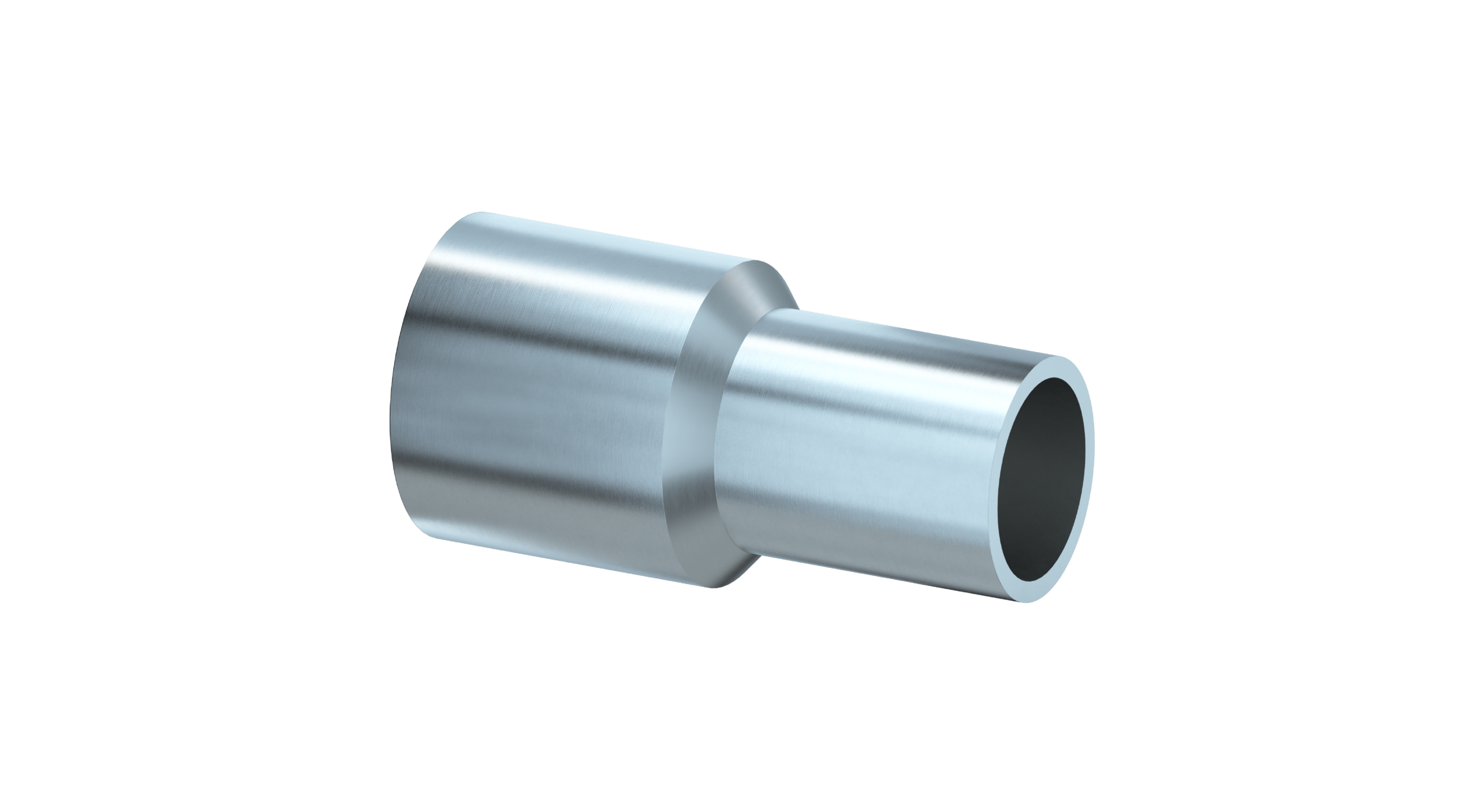
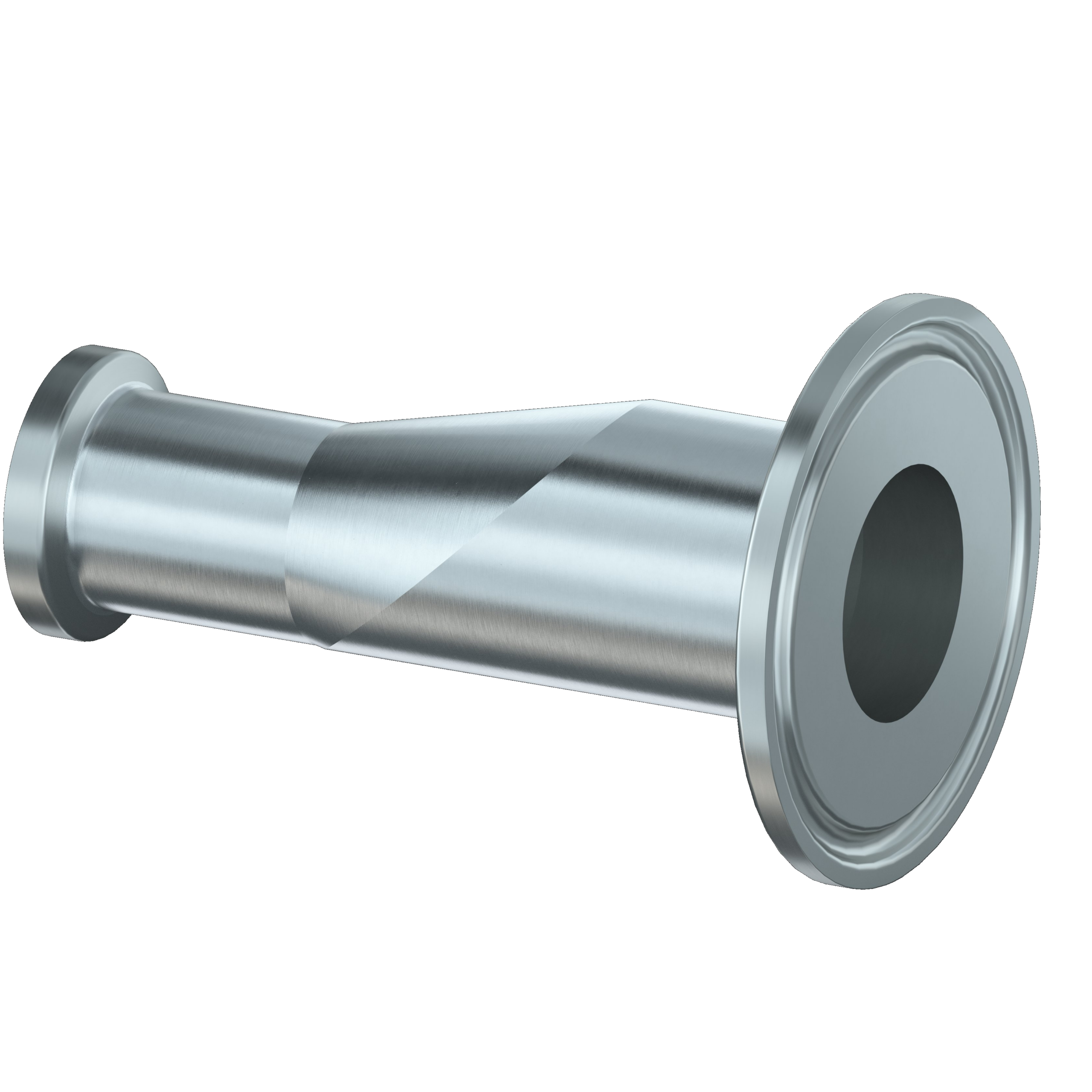
Each reduction code covers two versions: concentric (aligned axes) for vertical lines or without draining constraints, eccentric (aligned generator) to preserve the drainage low point on the lines that must remain self-draining.
Two ends to weld automatic.
Two ends for automatic welding, aligned generator.
One clamp end, one end to weld automatic.
A clamp end, an automatic welding end, aligned generator.
Two clamp ends, aligned generator.
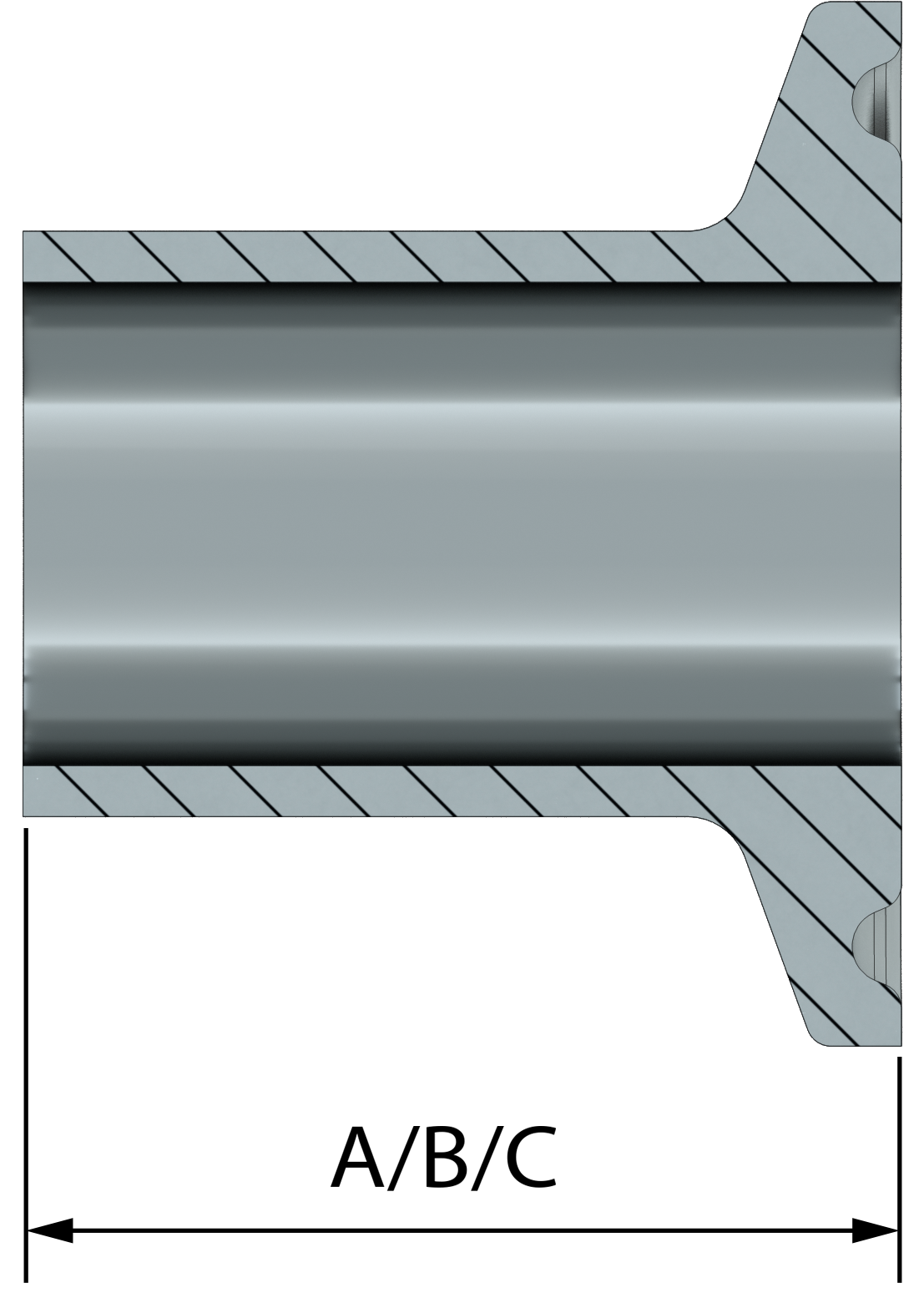
Detailed dimensions in table DT-7.1-1 (see the pillar article); Available in variants A, B and C depending on the length of the neck.
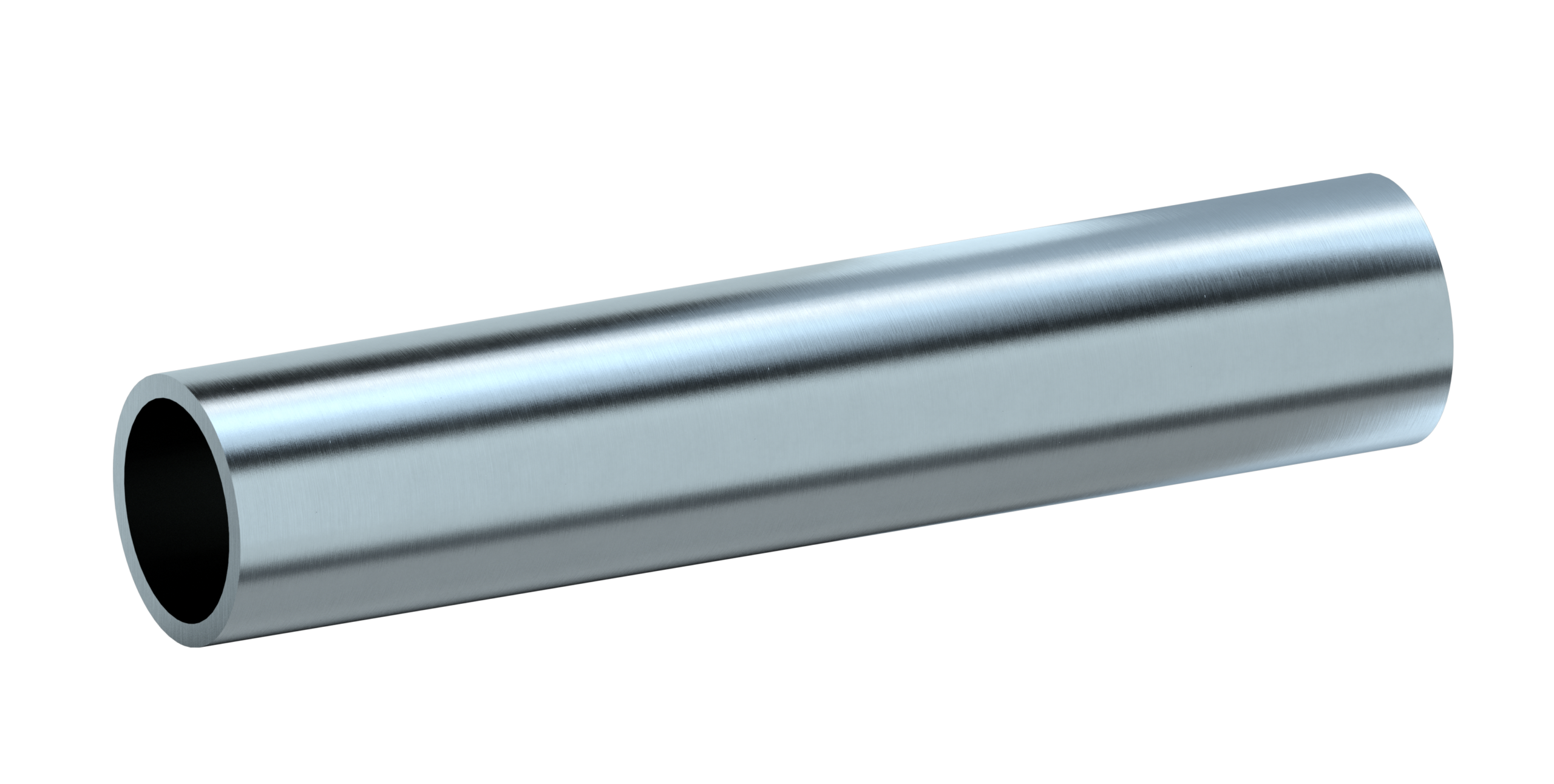
The basic part on which each fitting above just welds or clamps.
For the complete logic of the standard behind these codes (materials, finishes SF1 to SF6, orbital welding), see the article “Asme BPE: what the standard says, and all the parts that make up its range”.

Ancien ingénieur mise en route et expert traitement d'eau dans un grand groupe alimentaire, puis chargé d'affaires en pharmaceutique, microélectronique et agroalimentaire. Profil LinkedIn

ASME BPE Dockweiler fittings distributed by Tubes Technologies, Stock in Mions (69).
Contact our technical team: we find the reference from the DT mark of your specifications.
Guide de sélectionRugosité des tubes inox pharmaceutiques : ce que le Ra ne vous dit pasRa, classes DIN 11866, grille de spécification par fluide, soudure orbitale, rouging.Lire l'article →
Article pilierASME BPE : ce que dit la norme, et toutes les pièces qui composent sa gammeLes 13 Parts de l'édition 2026 reliées à la gamme : matières, finitions SF1 à SF6, raccords, vannes.Lire l'article →
NormeDIN 11866 : ce que dit vraiment la norme des tubes inox aseptiquesSéries A, B, C, classes H1 à HE5, suffixe « o », delta ferrite, pressions admissibles.Lire l'article →